The Summit Palace & Lion’s Paw
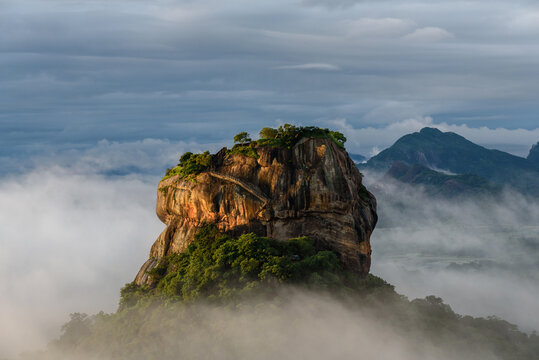
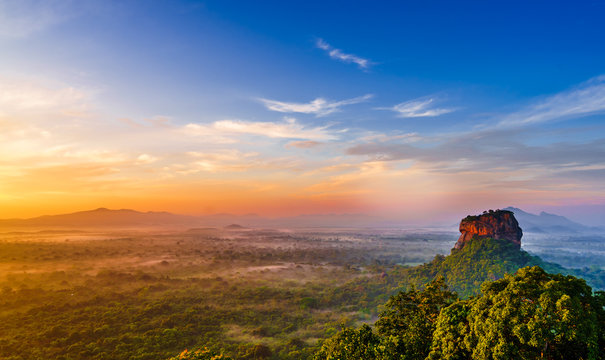
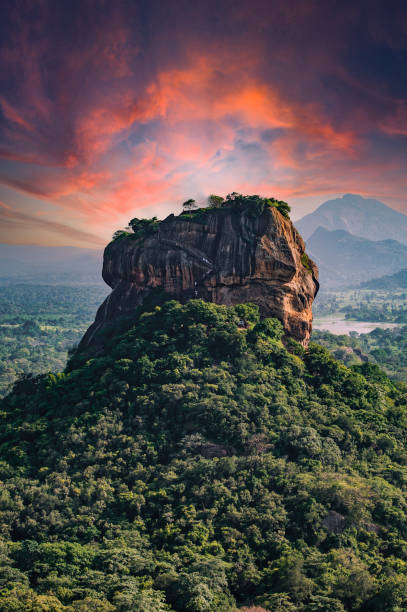
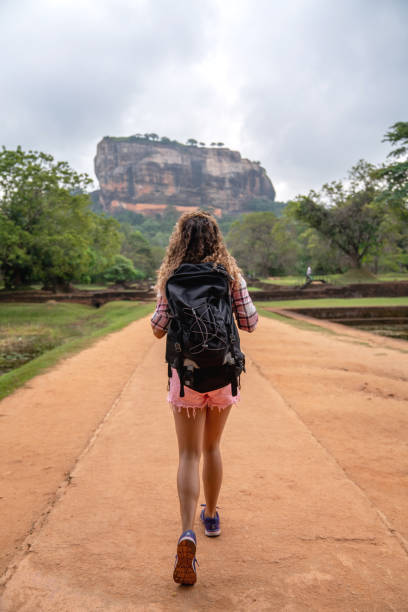
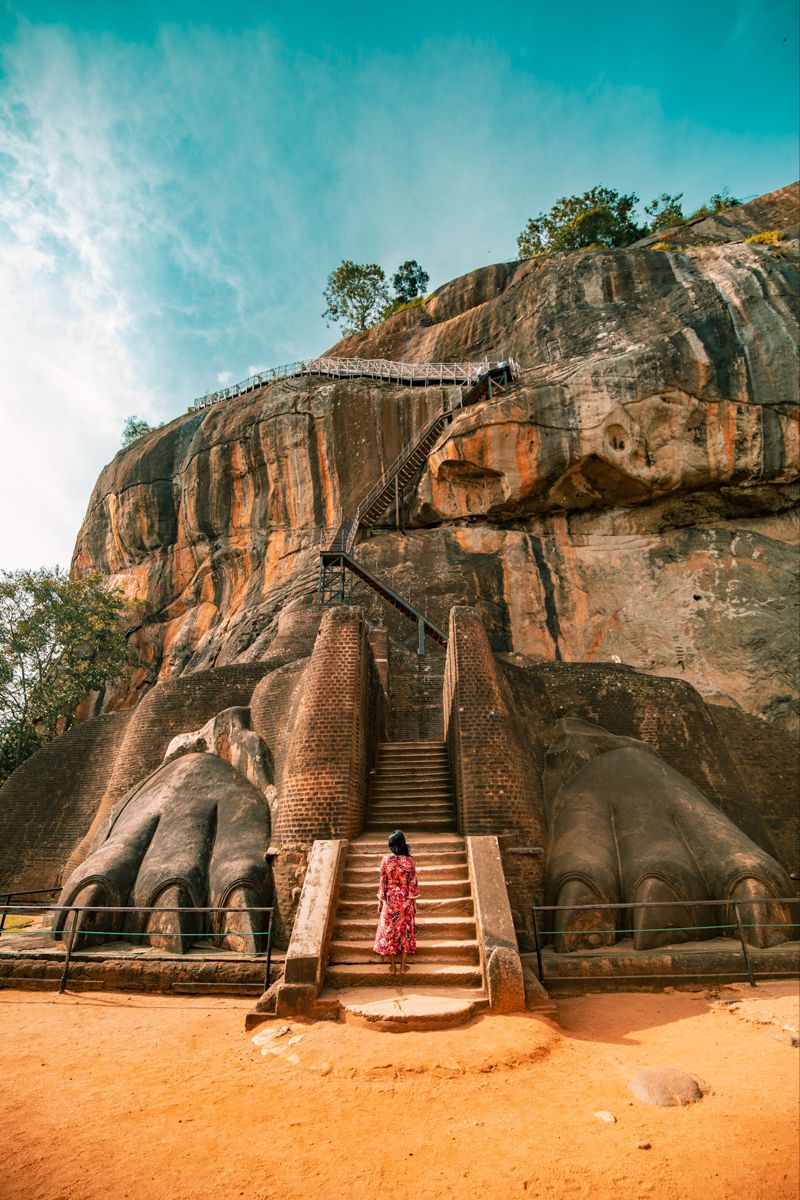
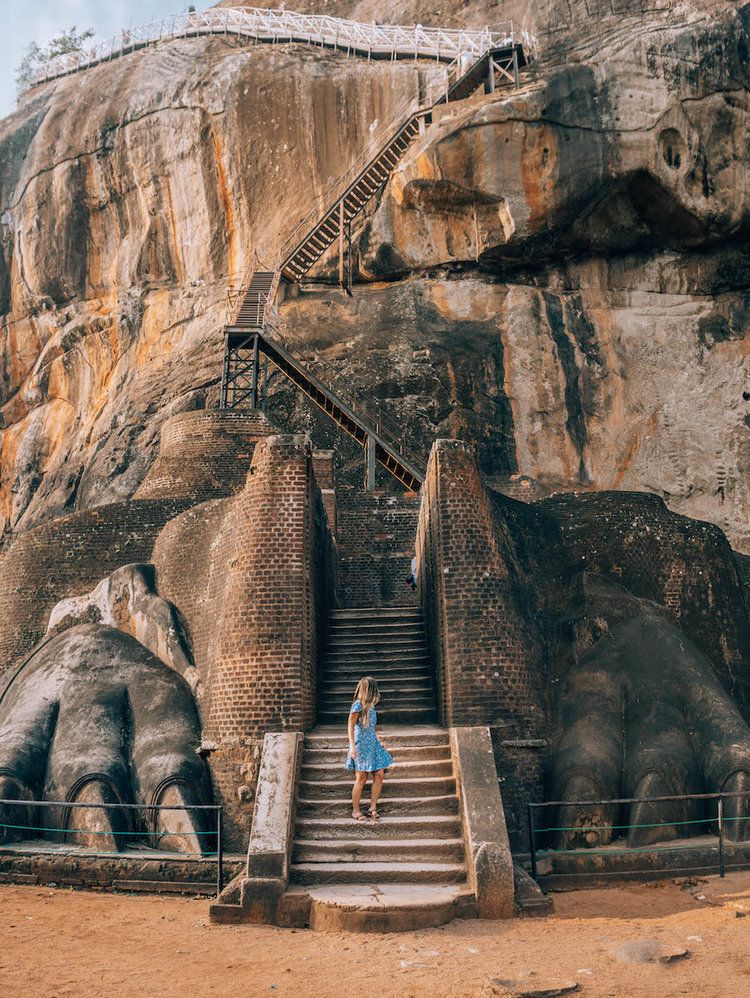
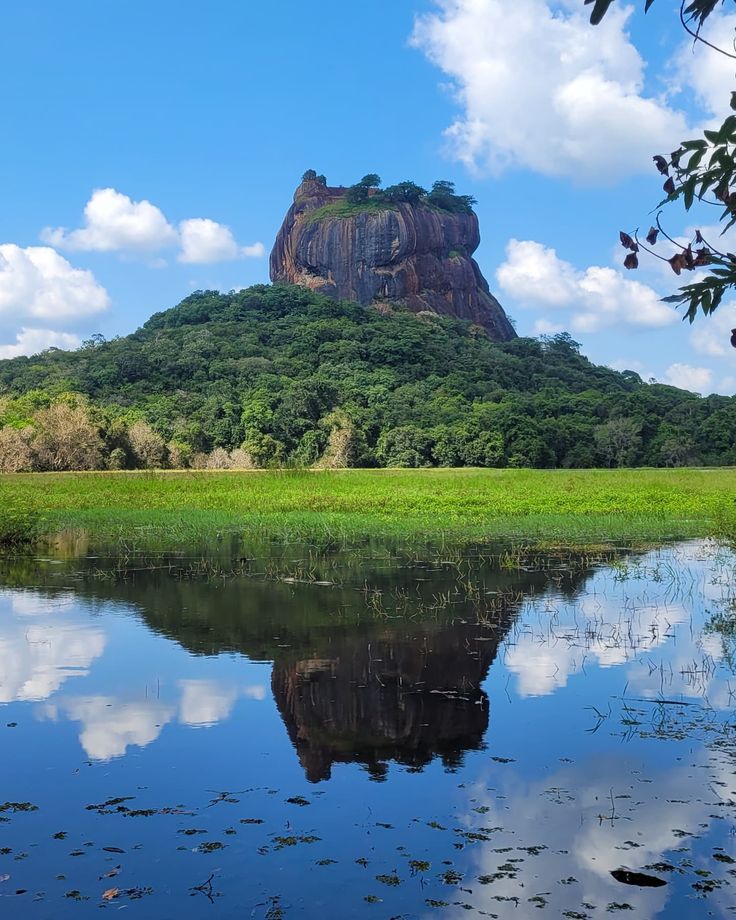
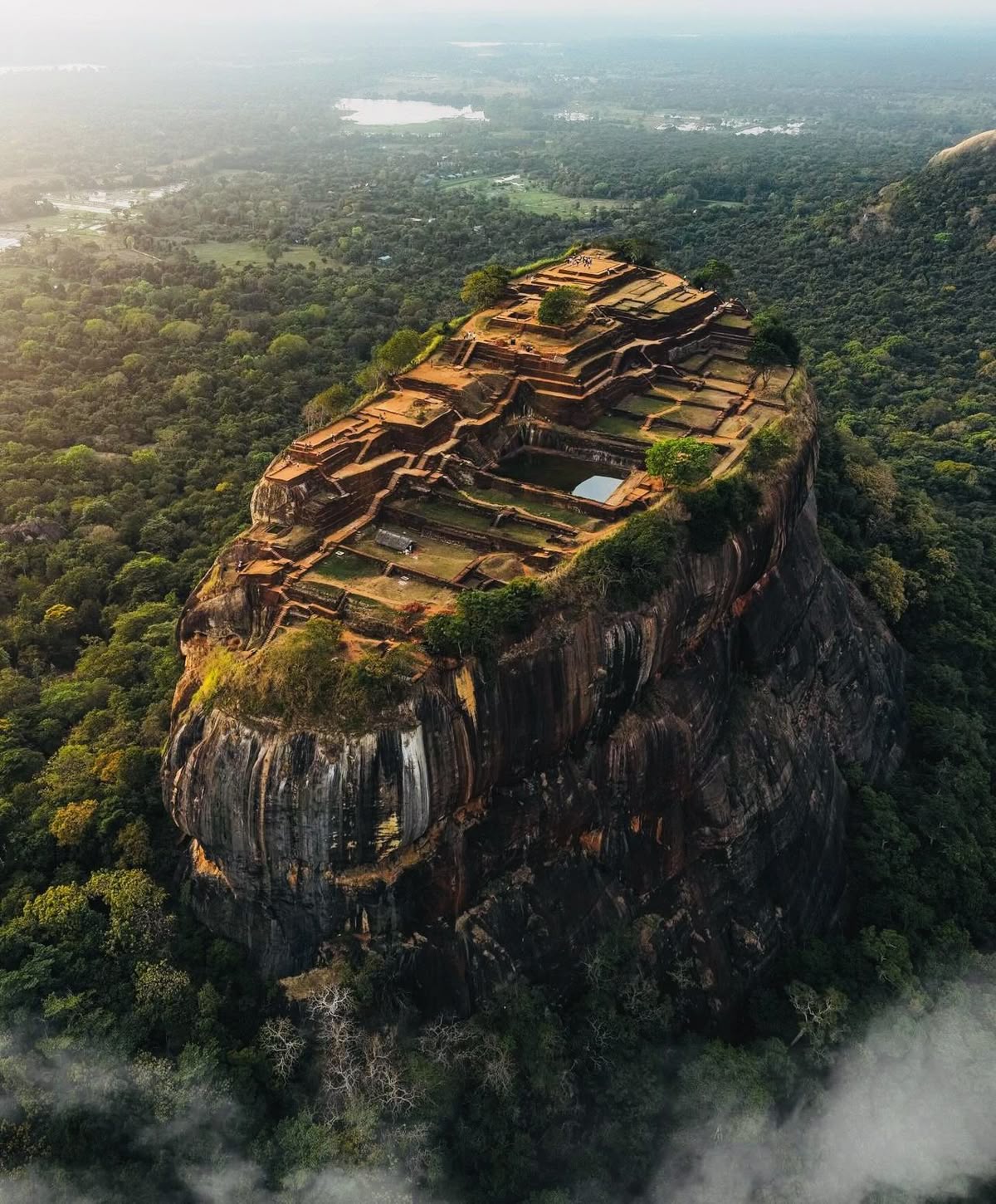
The climb to the top passes through the massive “Lion’s Paw” entrance, which once featured a colossal stone lion’s head. The summit houses the foundations of the royal palace, complete with fortified walls and a large carved stone throne. Features an advanced upper-palace complex with paved pathways and remains of royal residential quarters. Provides a 360-degree panoramic view of the surrounding tropical forests and distant mountain ranges. The entrance fee for foreign adults is $36 (approx. LKR 11,500), which includes access to the museum and the entire archaeological park.
The Sigiriya Frescoes & Mirror Wall
Halfway up the rock, protected within a sheltered gallery, are the world-famous Sigiriya frescoes—vibrant 5th-century paintings of celestial maidens. Below them lies the Mirror Wall, coated in a polished plaster so smooth that the King could once see his reflection. Showcases some of the best-preserved examples of ancient Sinhalese non-religious art. Features historical graffiti on the Mirror Wall, where visitors from over a thousand years ago inscribed poems and impressions. Access to these galleries is included in the main site ticket, though photography of the frescoes is strictly prohibited to preserve the pigments.
The Royal Water Gardens
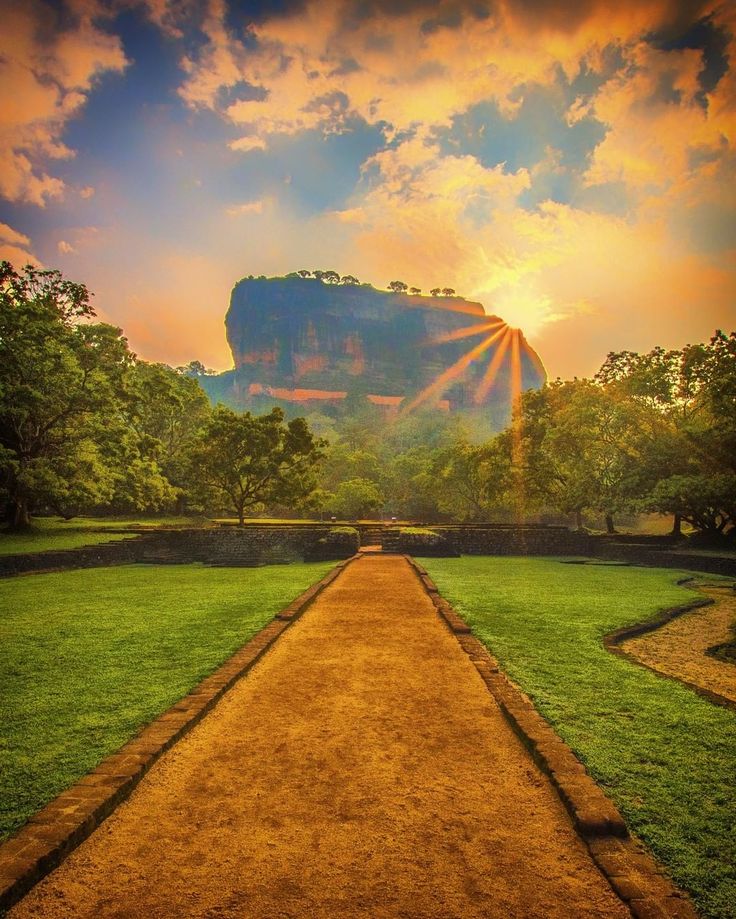
Located at the base of the rock, these are among the oldest landscaped gardens in the world, displaying a sophisticated mastery of hydraulic engineering. Includes a series of symmetrical pools, fountains (which still function during the rainy season), and “coolant” pavilions. Features the “Boulder Gardens,” where natural rock formations were integrated into the palace’s defensive and aesthetic design. Entry is covered by the main site ticket, and it is highly recommended to explore these grounds during the cooler early morning hours.
Pidurangala Rock
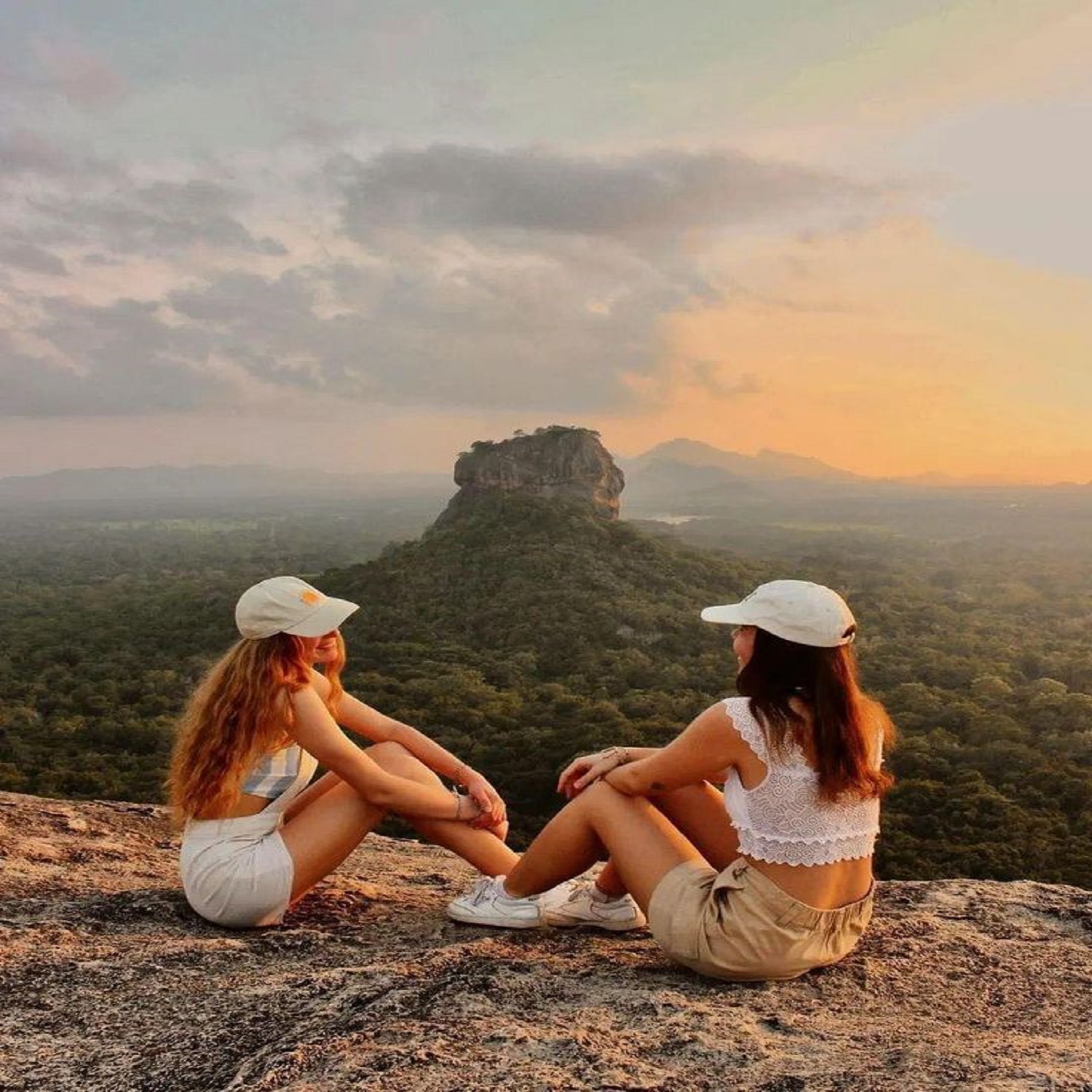
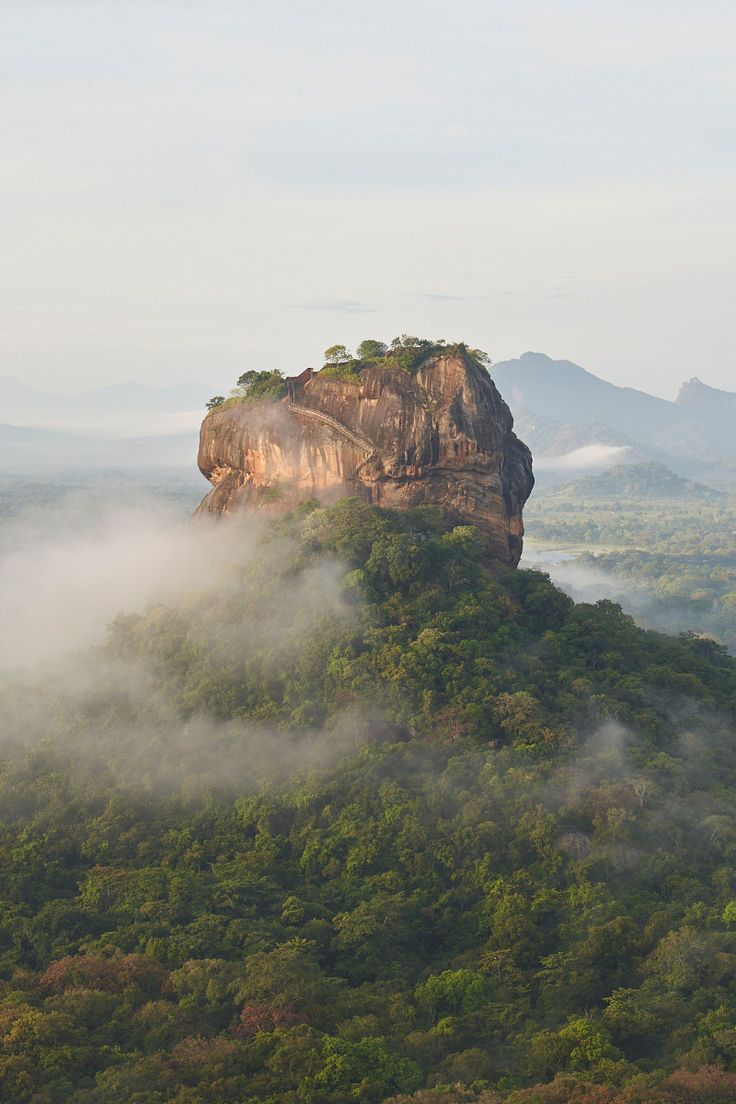
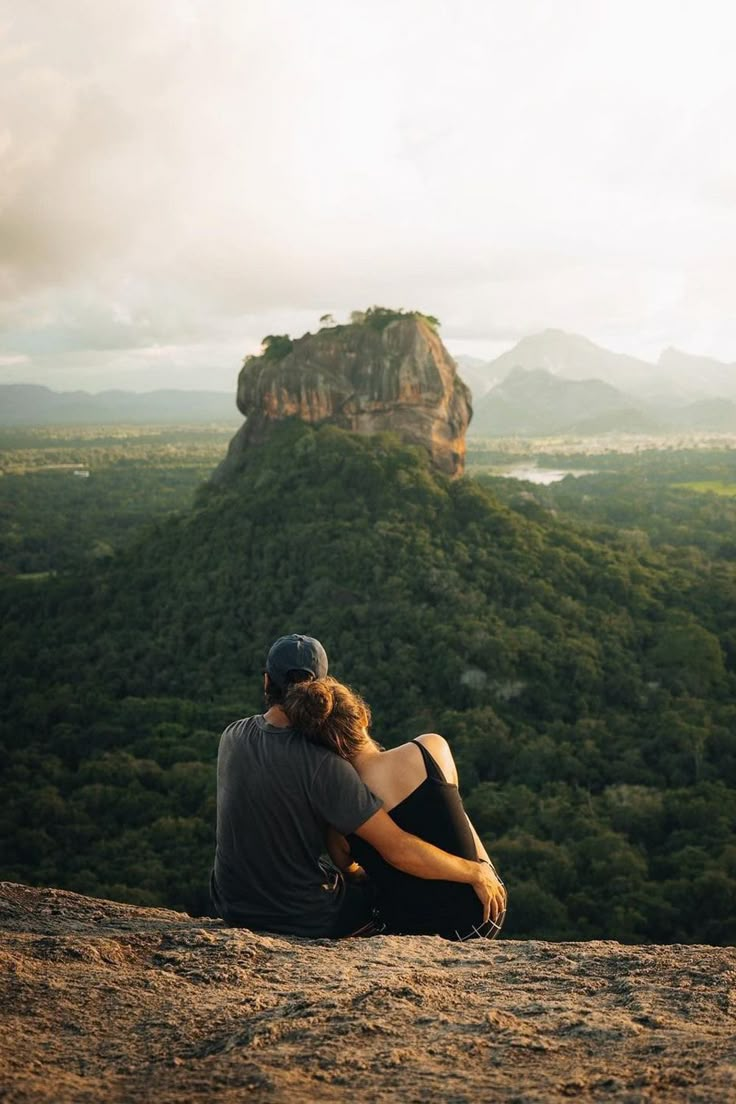
Located just adjacent to Sigiriya, Pidurangala is a massive rock formation that offers the most spectacular view of the Lion Rock itself. It was historically a monastic retreat for monks who moved there when Kasyapa built his fortress. Offers a more rugged, adventurous hiking experience compared to the stone steps of Sigiriya. Features a large reclining Buddha statue sheltered within a natural cave temple halfway up the climb. The entrance fee is significantly lower at approximately LKR 1,000 (approx. $3), making it a favorite for sunset photography and those seeking a quieter perspective.
Sigiriya Archaeological Museum
To fully appreciate the engineering marvel of the fortress, a visit to this modern museum is essential before or after the climb. Houses a large-scale model of the fortress and detailed exhibits on the ancient water management systems. Displays artifacts recovered during excavations, including jewelry, pottery, and tools used by the 5th-century builders.Entry is included in the $36 international ticket, and the air-conditioned galleries provide a welcome break from the tropical heat.
Peak Season (January – April):
This offers the clearest skies and most stable weather, which is crucial for a safe and comfortable climb to the summit.
Secondary Window (July – September):
The weather remains dry, though it can be quite windy at the top. This is an excellent time for photography as the greenery is still vibrant from the early rains.
Note:
The “inter-monsoon” months of October and November can make the climb hazardous due to slippery steps and frequent lightning.
Dreamway Luxury Travels (Pvt) Ltd
We specialize in crafting unforgettable travel experiences
Feel free to contact and reach us !!
Copyright © 2026 Lunar Creations. All rights reserved.
WhatsApp use