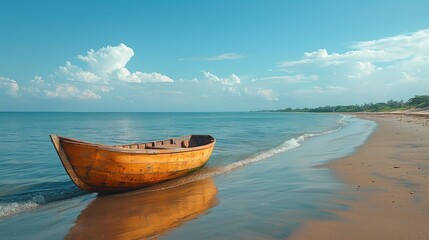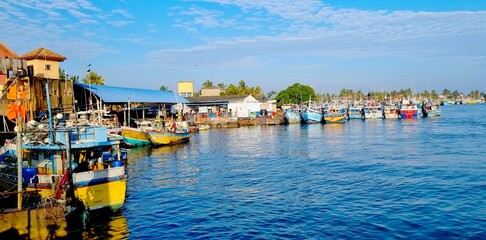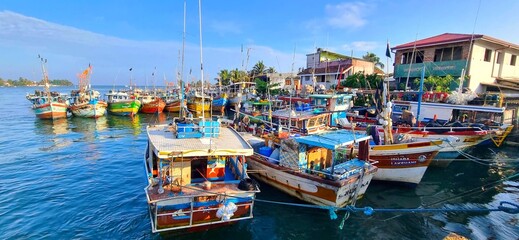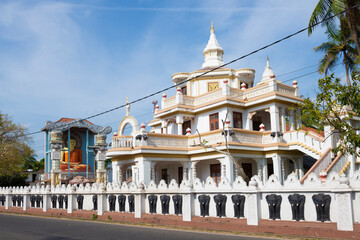
Negombo Lagoon & Hamilton Canal Boat Tour
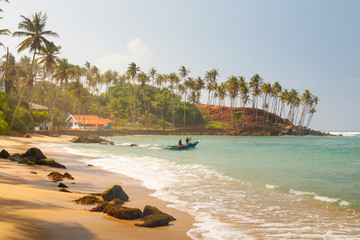
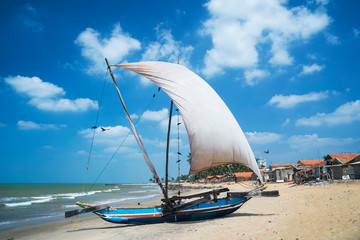
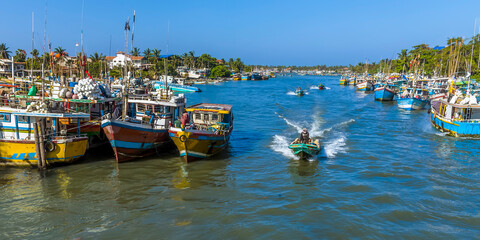
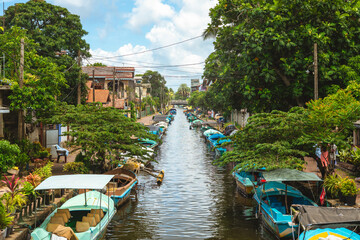
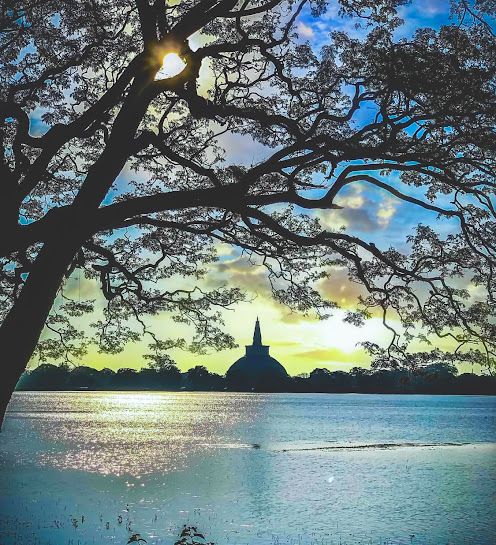
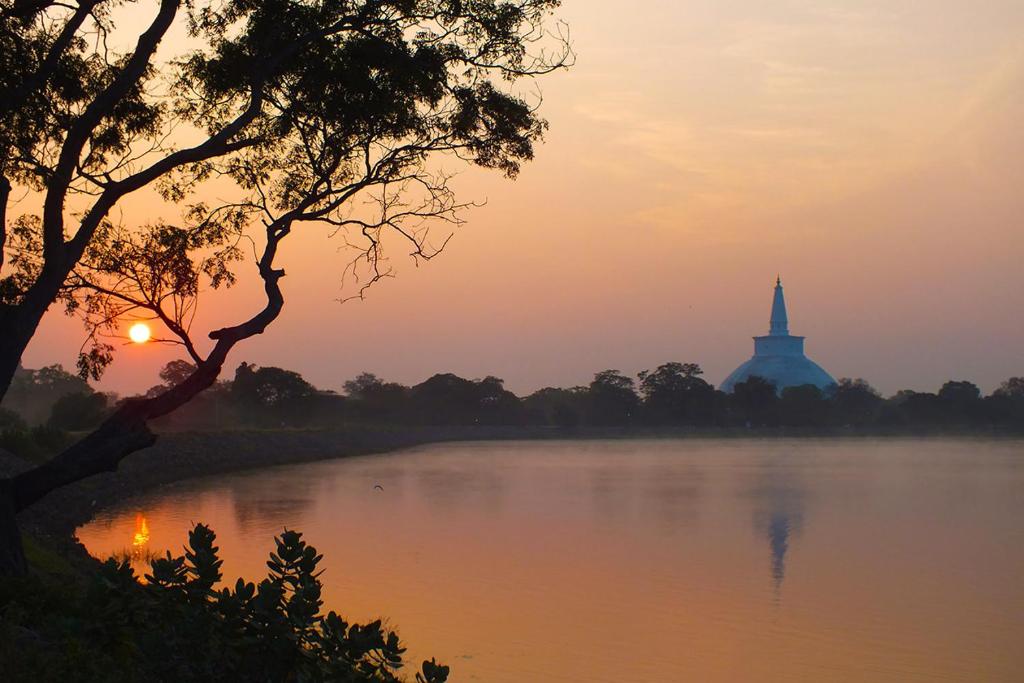
A private boat tour through the lagoon and the historic Hamilton Canal (also known as the Dutch Canal) is the best way to experience the city’s colonial engineering and natural beauty. The journey takes you past traditional fishing villages, coconut plantations, and dense mangrove forests teeming with birdlife. While walking along the canal banks is free of charge, a private guided boat tour typically costs between $40 to $50 (approx. LKR 12,800 – 16,000) per vessel. For an added touch of luxury, sunset cruises can be arranged that include fresh tropical fruit platters and refreshments as you watch the local fishermen return with their catch.
Muthurajawela Marsh & Wetland Safari
Located at the southern end of the lagoon, Muthurajawela is Sri Lanka’s largest saline coastal peat bog and a vital sanctuary for biodiversity. A boat safari here allows guests to spot over 100 species of birds, including kingfishers and herons, as well as crocodiles and monkeys. The entrance and boat safari fee for foreign visitors is approximately $35 to $45 (approx. LKR 11,200 – 14,400) per person, often including the service of a specialized nature guide. It is a peaceful, “green” escape that offers a stark and beautiful contrast to the bustling city center.
Angurukaramulla Temple (Bodhirajaramaya)
This is Negombo’s most famous Buddhist temple, renowned for its 6-meter-tall seated Buddha statue and its unique entrance through the mouth of a giant dragon. The interior is filled with intricate 3D murals and sculptures depicting the life of the Buddha and the history of Sri Lankan kings. While some areas of the temple are free, foreign visitors are often requested to pay an entrance fee or purchase a descriptive brochure for approximately LKR 1,000 to LKR 1,500 (approx. $3 – $5). The quiet, spiritual atmosphere and the impressive artwork make it a key cultural stop for any itinerary.
Negombo Dutch Fort & Fish Market
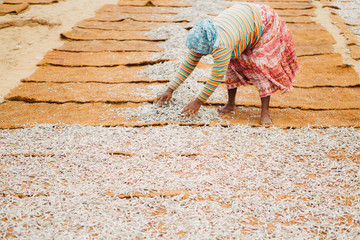
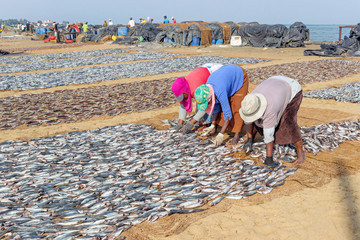
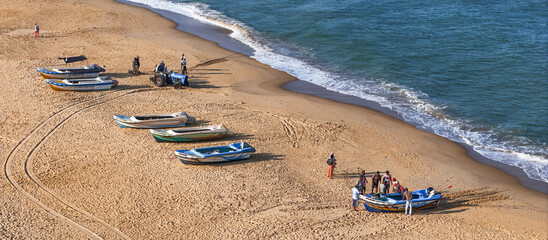
The ruins of the 17th-century Dutch Fort, now part of the city’s prison complex, stand near the seafront as a reminder of the colonial spice trade. While you can view the ramparts and the historic gateway for free, the real attraction nearby is the Lellama Fish Market. Visiting the market at dawn is a sensory experience where the day’s fresh catch—ranging from shark to blue swimming crabs—is auctioned off. There is no entrance fee to the market, though hiring a private local guide for a walking tour (approx. $10 – $15) can provide deeper insights into the traditional fishing techniques and the local “karawala” (dried fish) industry.
St. Mary’s Church
Reflecting the city’s deep Catholic roots, St. Mary’s Church is one of the largest and most beautiful cathedrals in Sri Lanka. Completed in the 1920s, it is famous for the stunning religious paintings on its ceiling, executed by a local artist. The church is free to enter, though visitors are reminded to dress modestly and avoid visiting during active mass services unless attending. Its grand neoclassical architecture and peaceful interior offer a moment of cool reflection away from the tropical sun.
Peak Season (December – April):
This is the dry season for the west coast. The weather is consistently sunny, the seas are calm for boat tours, and the humidity is at its lowest, making it the ideal time for beach relaxation.
Secondary Window (July – September):
A brief dry spell mid-year provides excellent conditions for travelers, with fewer crowds and very pleasant evening breezes.
Note:
The southwest monsoon (May – June and October – November) brings heavy tropical downpours. While the lagoon tours often still operate during light rain, the ocean can become too rough for swimming and the “Lellama” fish market can be less active during stormy weather.
Dreamway Luxury Travels (Pvt) Ltd
We specialize in crafting unforgettable travel experiences
Feel free to contact and reach us !!
Copyright © 2026 Lunar Creations. All rights reserved.
WhatsApp use