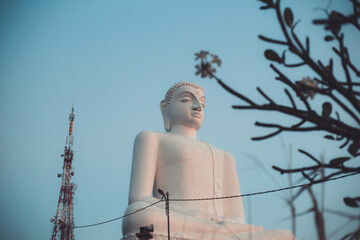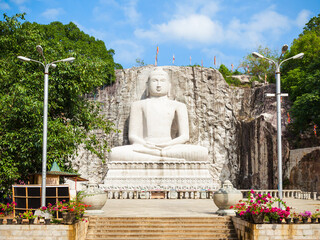
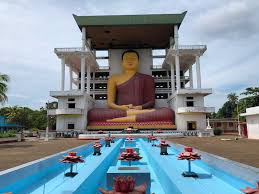
Ethagala (Elephant Rock) & Samadhi Buddha
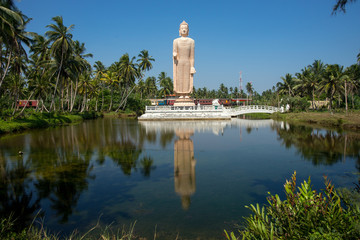
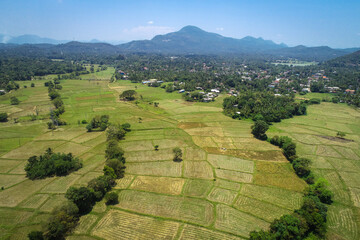
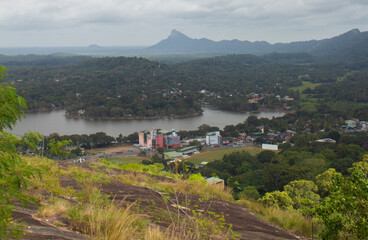
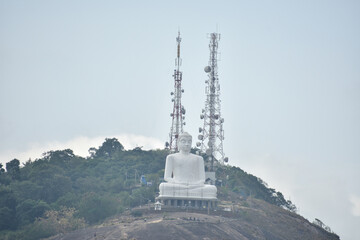
Ethagala is the most iconic landmark of the city, a massive rock formation shaped like a crouching elephant. At its summit sits a towering 27-meter (88-foot) white Samadhi Buddha statue that gazes over the plains below. There is no entrance fee to hike or drive to the top. For luxury travelers, a private vehicle can be driven directly to the summit, where the panoramic views of the Kurunegala Lake and the distant mountain ranges are particularly breath-taking at sunset.
Ridi Viharaya (The Silver Temple)
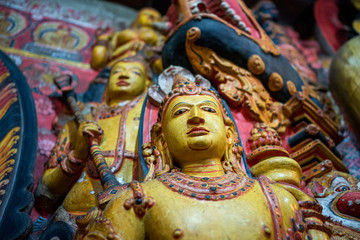
Located about 20km from the city in Ridigama, this 2nd-century BC cave temple is a hidden gem of Kandyan artistry. It earned its name after silver ore was discovered here, which was used to build the Ruwanwelisaya in Anuradhapura. The temple features one of the largest painted caves in Sri Lanka, second only to Dambulla, adorned with intricate murals and a unique “Dutch Tile” floor depicting biblical scenes—a rare gift from a colonial governor. Entrance is free of charge, though a modest donation of LKR 1,000 (approx. $3) for the upkeep of the ancient frescoes is highly appreciated.
Yapahuwa Rock Fortress
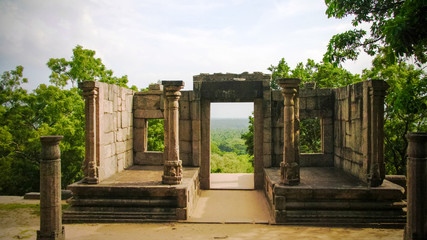
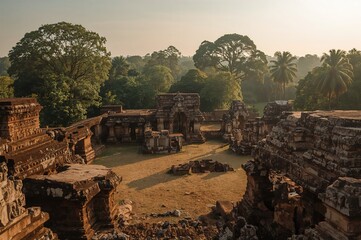
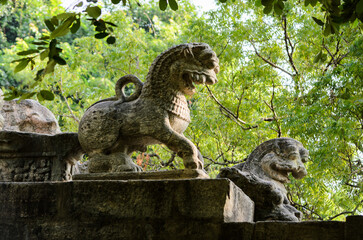
Often called the “Little Sigiriya,” Yapahuwa served as the capital of Sri Lanka in the 13th century. It is most famous for its magnificent ornamental stone staircase, which led to the Temple of the Tooth Relic perched halfway up the rock. The stone carvings here are considered some of the finest examples of medieval sculpture on the island. The entrance fee for foreign adults is $10 (approx. LKR 3,000) and $5 for children. Because it is far less crowded than Sigiriya, it offers a much more exclusive and peaceful atmosphere for exploring the ruins and climbing to the summit for a 360-degree view.
Panduwasnuwara Ancient Kingdom
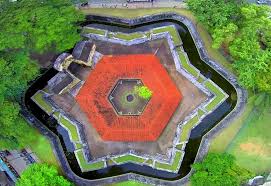
This sprawling 12th-century archaeological site was a temporary capital and is steeped in the romantic legend of Princess Unmada Chitra. The complex includes a well-preserved royal palace with a unique circular foundation known as the “Ektem Maligaya,” as well as several ancient monasteries and a moat. Entrance to the ruins is free for both local and foreign visitors, providing a raw and unpolished look at the island’s medieval urban planning. The onsite museum, which houses regional artifacts, may charge a small nominal fee of approximately LKR 500.
Kurunegala Lake (Rantalia Lake) The heart of the city’s social life, this large man-made reservoir provides a cooling breeze and a scenic backdrop for a relaxed evening stroll. While there is no entrance fee to walk along the lake bund, luxury travelers can enjoy the views from the upscale restaurants and hotels that line the waterfront. It is the perfect spot for a quiet “sundowner” drink after a day of exploring the nearby rock fortresses and temples.
Peak Season (January – April):
This is the dry season for the North Western Province. The weather is warm and sunny, which is essential for climbing Ethagala or Yapahuwa without the risk of slippery paths.
Secondary Window (July – September):
While the humidity can be higher, these months often feature bright, clear days. The city is particularly vibrant during the local temple festivals held around the August full moon.
Note:
Kurunegala is known for being one of the warmer cities in Sri Lanka due to the heat-retaining granite rocks surrounding it. The monsoon months of October and November bring heavy rains, which can make the climb to the rock-based sites more challenging.
Dreamway Luxury Travels (Pvt) Ltd
We specialize in crafting unforgettable travel experiences
Feel free to contact and reach us !!
Copyright © 2026 Lunar Creations. All rights reserved.
WhatsApp use