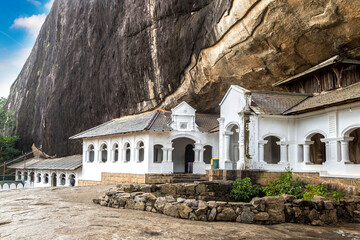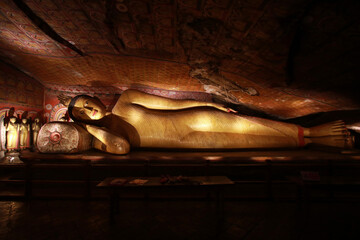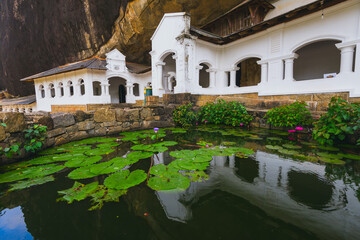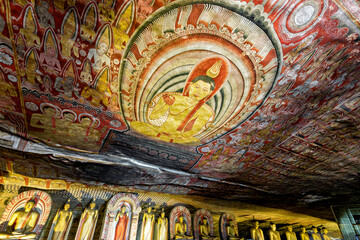
Dambulla Cave Temple (Royal Rock Temple)
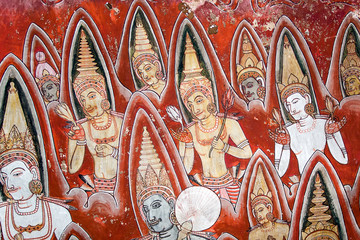
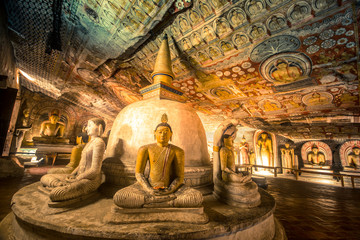
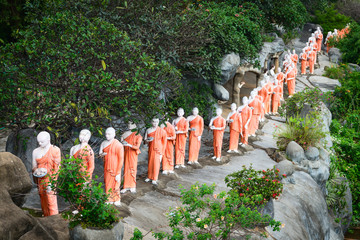
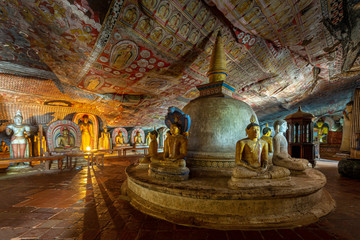
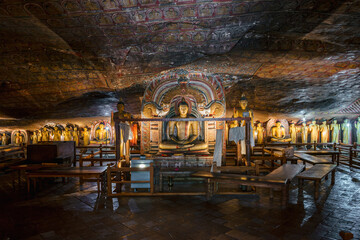
As a UNESCO World Heritage site, this is the best-preserved cave temple complex in Sri Lanka. It consists of five separate caves carved into a massive rock outcrop, containing over 150 Buddha statues and vibrant murals that cover 2,100 square meters of wall and ceiling space. For foreign adults, the entrance fee is approximately $10 (approx. LKR 3,000), and for children, it is $5 (approx. LKR 1,500). It is essential to purchase your ticket at the counter at the bottom of the hill before you begin the climb to the top. Visitors must remove their shoes at the temple entrance, which involves a small storage fee of roughly LKR 50 – 100.
Golden Temple & Buddhist Museum
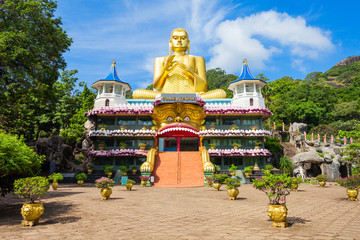
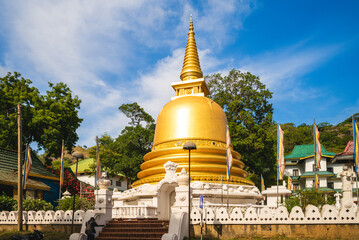
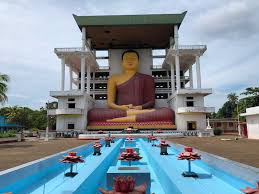
Located at the foot of the cave temple hill, the Golden Temple is immediately recognizable by its 30-meter-tall golden Buddha statue in the Dhyana Chakra mudra. While the modern temple itself serves as the entrance point to the site, it also houses a museum of Buddhist wall art. Entrance to the Golden Temple area is free, but if you wish to explore the interior museum and its collection of historical paintings, a separate fee of approximately LKR 1,000 (approx. $3) may apply. It is a grand, visually striking monument that provides a modern contrast to the ancient caves above.
Ibbankatuwa Megalithic Burial Site
For travelers interested in prehistoric history, this site offers a rare glimpse into the early Iron Age of Sri Lanka (dating back to roughly 700–400 BC). The archaeological site features several dozen stone cist graves where ancient inhabitants were cremated and buried in clay urns along with personal items like beads and tools. The entrance fee for foreign visitors is approximately $5 (approx. LKR 1,500). It is a quiet, less-visited location that provides a fascinating look at the island’s civilizations long before the arrival of Buddhism.
Rangiri Dambulla International Cricket Stadium
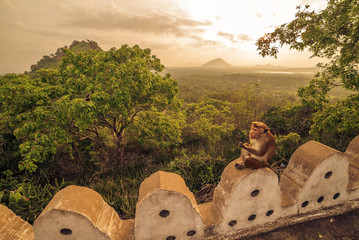
Set against the backdrop of the Dambulla Rock and the Kandalama reservoir, this is one of the most scenic cricket grounds in the world. Built in just 167 days, it is a significant landmark in Sri Lanka’s sporting culture. While you can often view the exterior for free, entering the stadium for a match or a guided walk-through generally requires a ticket, which varies greatly depending on the event (typically ranging from LKR 2,000 to LKR 5,000 for international games). For cricket fans, witnessing a match here amidst the dry-zone wilderness is a truly unique Sri Lankan experience.
Popham’s Arboretum Established in 1963 by Sam Popham, this is Sri Lanka’s only dry-zone arboretum. It is a sanctuary for indigenous trees and wildlife, including the rare Grey Slender Loris. For nature lovers, a guided night walk to spot the Loris is a highlight. The entrance fee for foreign visitors is approximately LKR 1,500 to LKR 2,000 (approx. $5 – $7). It is a testament to reforestation and conservation, offering a serene, shaded environment for a slow-paced morning or evening nature walk.
Peak Season (January – April):
This is the driest and most comfortable time to visit, with clear blue skies and manageable temperatures—ideal for the climb up to the Cave Temple.
Secondary Window (July – September):
The weather is generally dry and warm. This coincides with the famous “Gathering” of wild elephants in nearby Minneriya National Park, making it a perfect time for a safari-inclusive stay.
Note:
The Northeast Monsoon (October – December) brings heavy rain to the region. While the landscape is lush, the stone steps to the caves can become slippery, and outdoor exploration of the burial sites and arboretum may be interrupted by storms.
Dreamway Luxury Travels (Pvt) Ltd
We specialize in crafting unforgettable travel experiences
Feel free to contact and reach us !!
Copyright © 2026 Lunar Creations. All rights reserved.
WhatsApp use