Madu Ganga River Safari
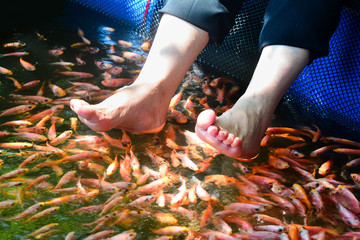
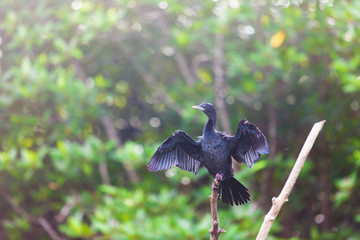
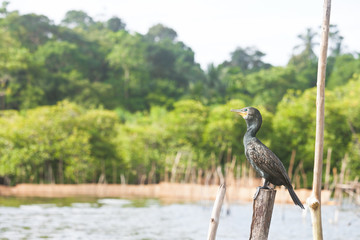
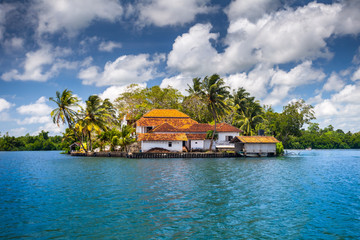
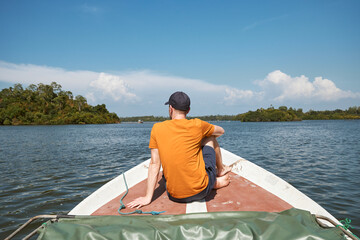
The quintessential Balapitiya experience, this boat safari navigates through a sprawling estuary consisting of 64 islands and dense mangrove forests. The journey typically includes stops at “Cinnamon Island” to witness traditional peeling techniques and the Kothduwa temple island. A highlight for many is the natural “fish spa,” where you can dip your feet into a floating deck for a therapeutic pedicure by schools of fish. A private boat safari for foreign travelers generally costs between $25 to $35 (approx. LKR 7,500 – 10,500) per boat, depending on the duration and the level of luxury of the vessel.
Sea Turtle Hatchery & Conservation Project
Located just minutes from the main town, this community-led project is dedicated to protecting endangered sea turtles that frequent the Balapitiya and Kosgoda shores. Visitors can see various species, including Green, Hawksbill, and Olive Ridley turtles, and learn about the delicate process of incubating eggs rescued from the beach. The entrance fee for foreign adults is approximately LKR 1,000 to LKR 1,500 (approx. $3 – $5). For an unforgettable and meaningful experience, you can often arrange to release hatchlings into the ocean at sunset for an additional voluntary donation.
Galagoda Shailatharama Viharaya (Karandeniya)
Hidden within the lush cinnamon-covered hills just inland from Balapitiya, this temple houses the largest reclining Buddha statue in South Asia, measuring an incredible 35 meters (115 feet) in length. Built during the Dambadeniya period, the statue is a breath-taking feat of ancient devotion. While there is no formal entrance fee, visitors often leave a donation (approx. LKR 500 – 1,000) to support the upkeep of this historic site. The climb to the temple offers stunning panoramic views of the surrounding countryside, making it a perfect spot for quiet reflection.
Ariyapala Mask Museum (Ambalangoda) Located a short 10-minute drive from Balapitiya, this museum is the heart of Sri Lanka’s traditional mask-carving heritage. It showcases a fascinating collection of “Kolam” and “Sanni” masks used in ancient healing rituals and folk theater. You can observe master craftsmen at work, transforming blocks of light balsa wood into intricate, hand-painted masterpieces. Entrance to the museum is free, though most visitors choose to purchase an authentic, high-quality mask from the showroom as a unique souvenir, with prices ranging from $20 to several hundred dollars for collector-grade pieces.
Peak Season (December – April):
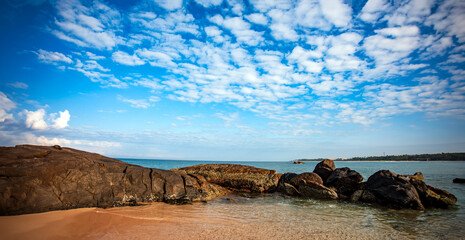
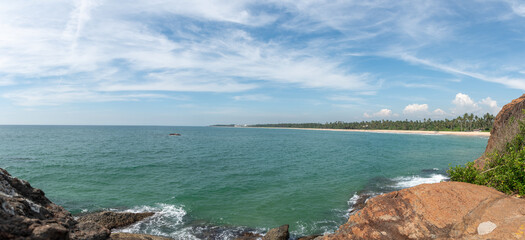
This is the most desirable time to visit Balapitiya. The weather is dry and sunny, which is essential for enjoying the Madu Ganga boat safari and ensuring clear, calm waters for beach activities.
Shoulder Season (July – September):
During this mid-year window, the rains ease significantly, offering a lush, green landscape and a more private experience as tourist numbers are lower.
Note:
The southwest monsoon brings heavy rainfall and choppy seas from May to June and October to November. While river safaris often still operate during light rain, the “mangrove cave” experience is best enjoyed under the bright tropical sun of the dry season.
Dreamway Luxury Travels (Pvt) Ltd
We specialize in crafting unforgettable travel experiences
Feel free to contact and reach us !!
Copyright © 2026 Lunar Creations. All rights reserved.
WhatsApp use