Koneswaram Temple & Swami Rock
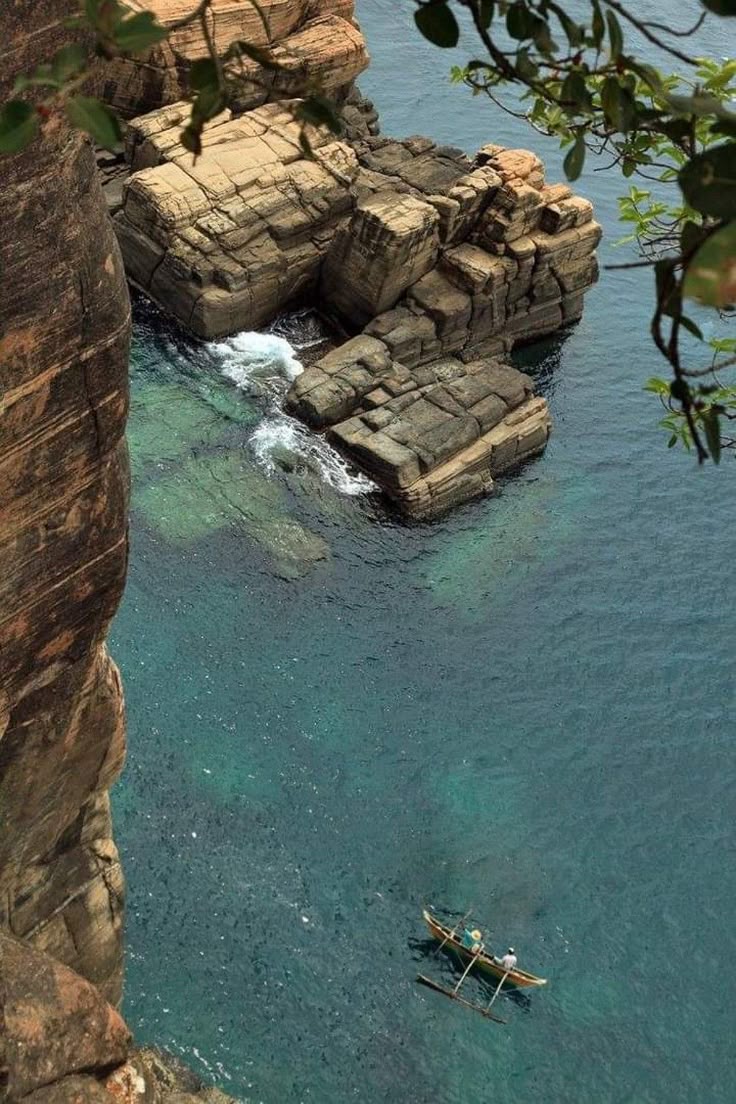
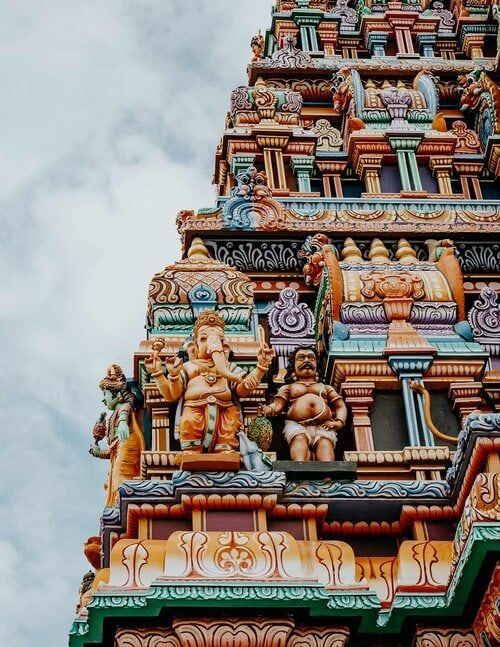
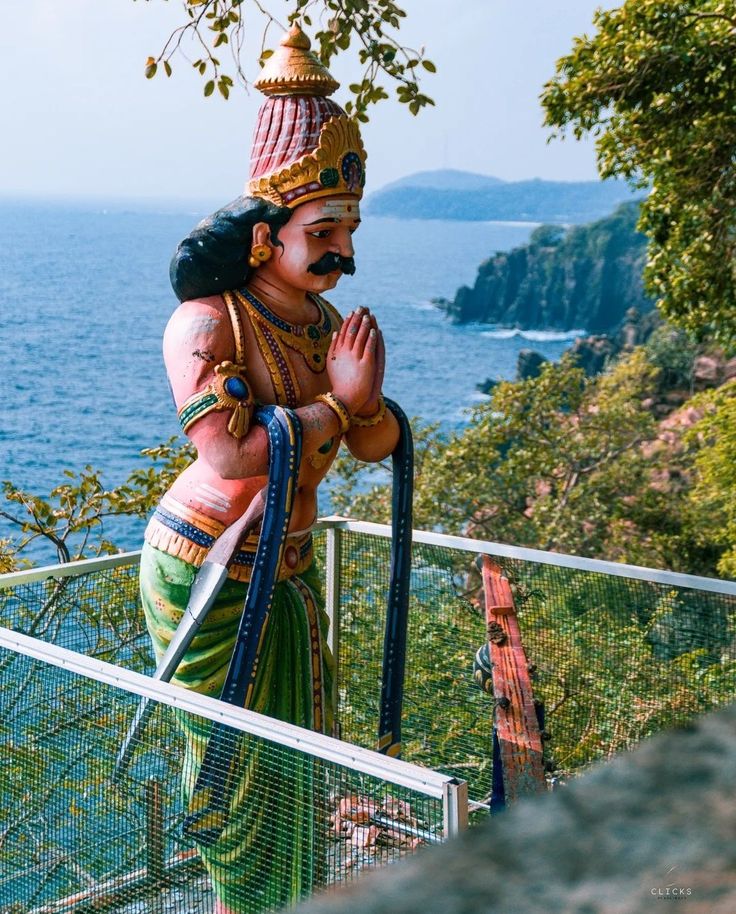
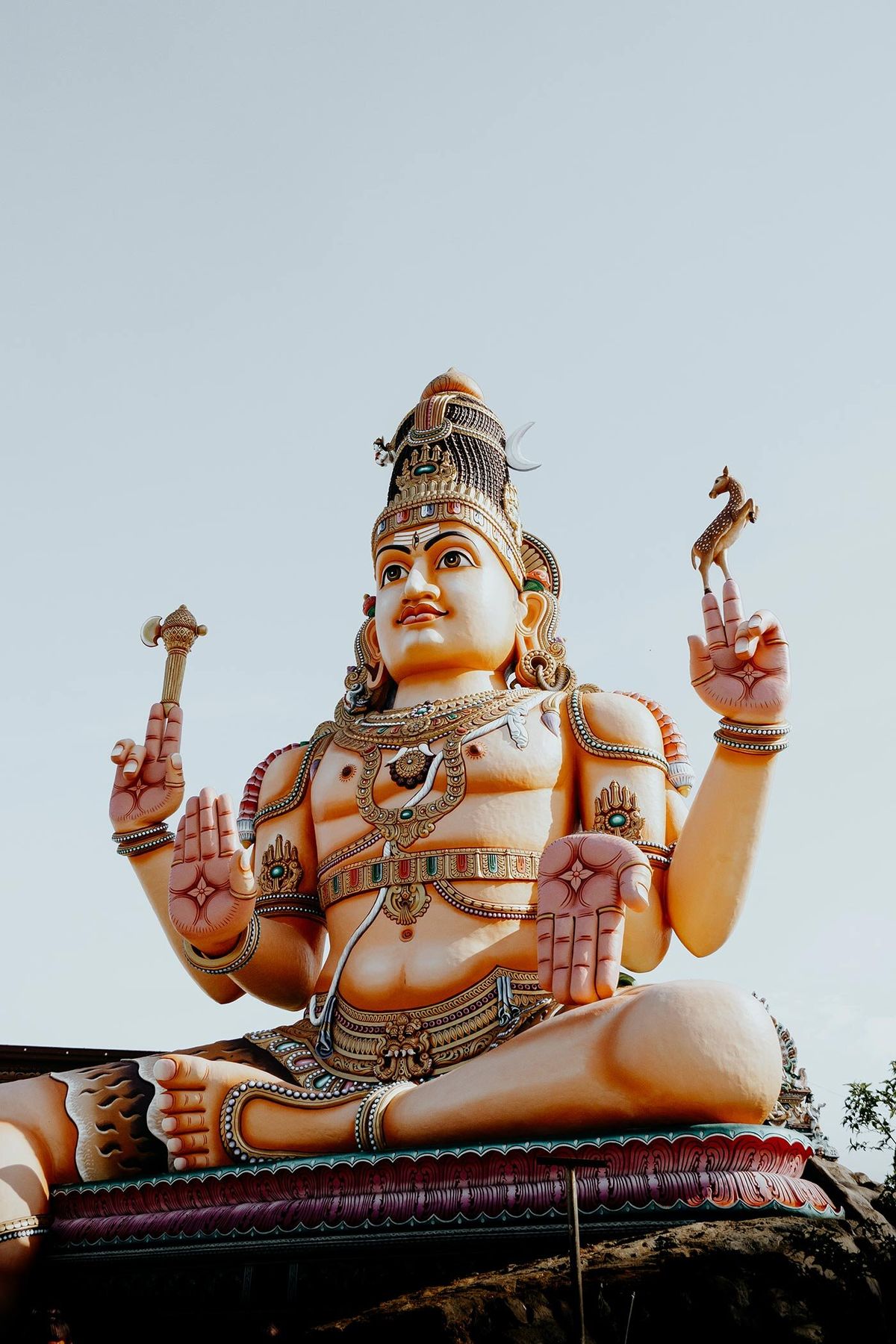
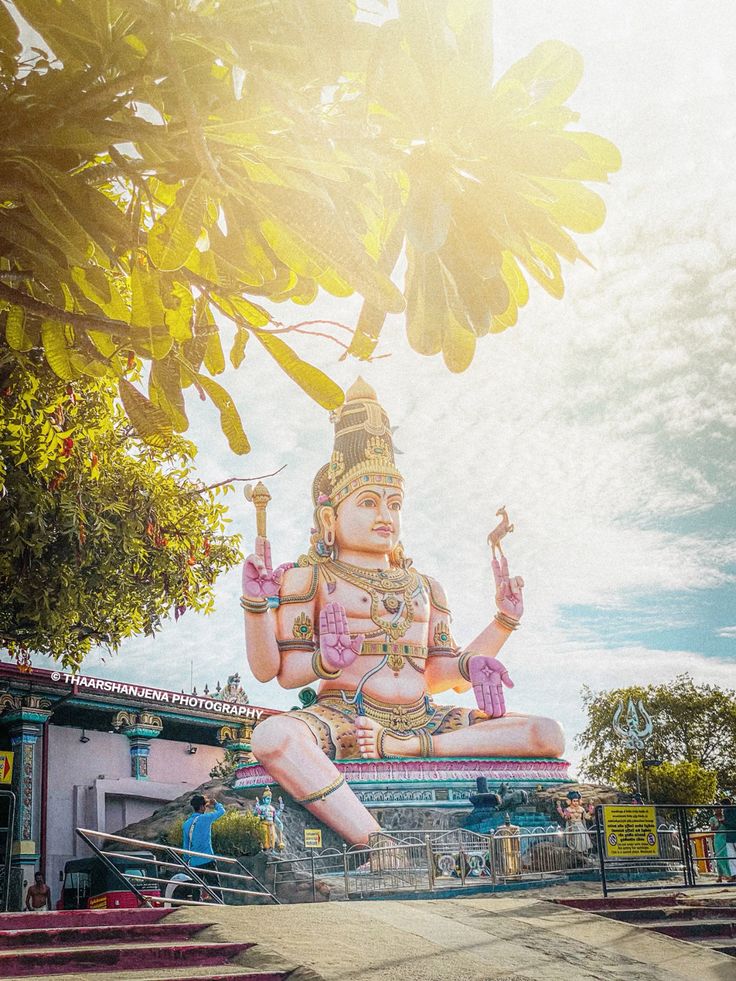
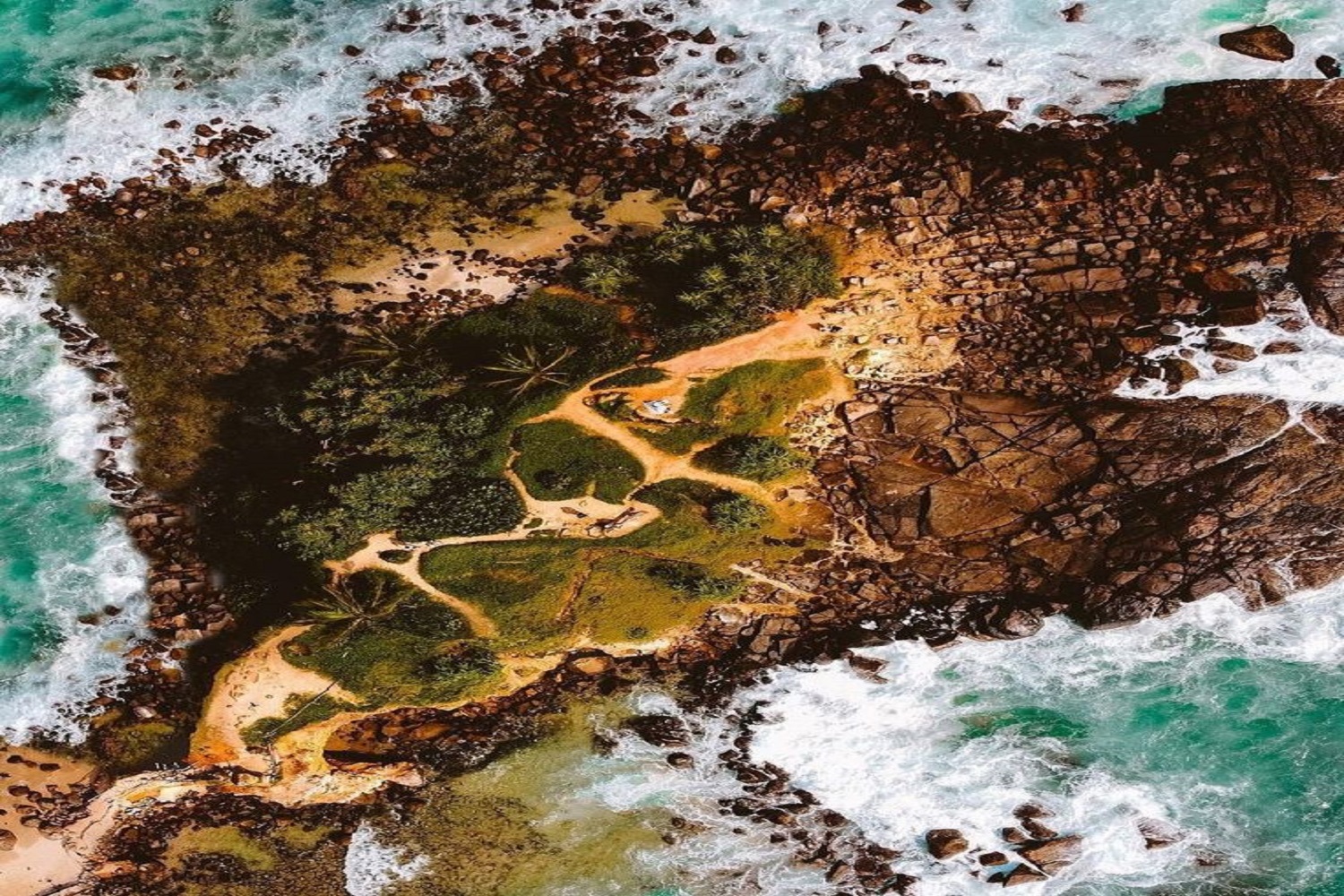
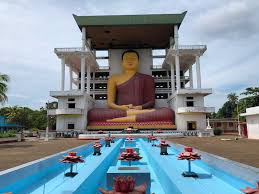
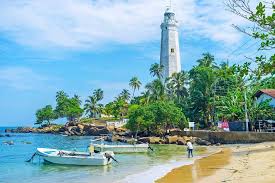
Perched precariously on the edge of a sheer cliff known as “Swami Rock,” this classical Hindu temple is one of the most sacred Shiva dwellings in the world. The site is a masterclass in religious art, featuring a massive golden statue of Lord Shiva that overlooks the Indian Ocean. Entrance to the temple is free of charge, though visitors must dress modestly and remove their shoes before entering the sacred precincts. For luxury travelers, a visit during the evening “Pooja” (around 4:30 PM) is highly recommended to witness the rhythmic drumming and chanting against the backdrop of a plunging coastal sunset.
Pigeon Island National Park
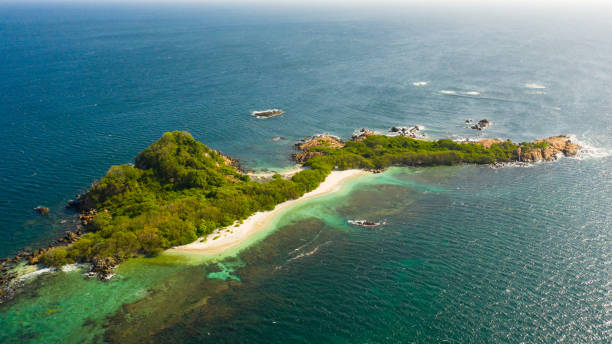
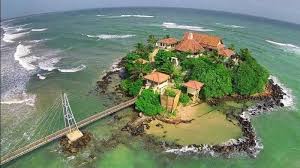
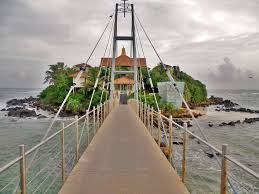
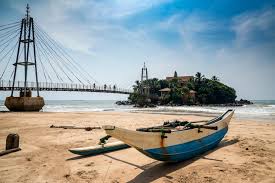
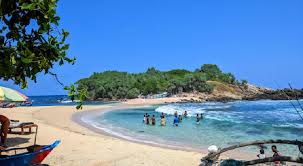
Located just a few kilometers off the coast of Nilaveli, Pigeon Island is one of only two marine national parks in Sri Lanka and is a premier destination for snorkeling and scuba diving. The island is surrounded by a coral reef teeming with over 100 species of coral and 300 species of reef fish, including blacktip reef sharks and sea turtles. As of 2026, the entrance fee for foreign adults is approximately $40 – $50 (approx. LKR 13,000 – 16,500), which typically includes the park permit and boat transport from the mainland. Private boat charters for a more exclusive experience can be arranged for roughly LKR 15,000 per vessel.
Fort Frederick
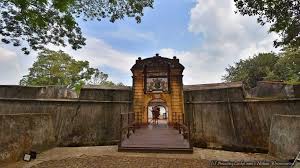
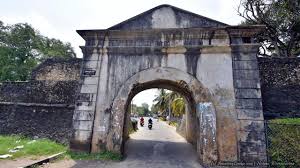
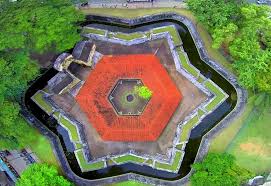
Originally built by the Portuguese in 1623 and later used by the Dutch and the British, Fort Frederick remains an active military base but is open to the public. The fort’s historic gateway leads to a shaded road lined with ancient trees where wild spotted deer roam freely, unbothered by visitors. Entrance to the fort is free, though security checks are mandatory at the gate. Walking through the fort provides a peaceful transition from the city’s bustle to the spiritual heights of Koneswaram Temple, located at the very tip of the peninsula.
Nilaveli & Uppuveli Beaches
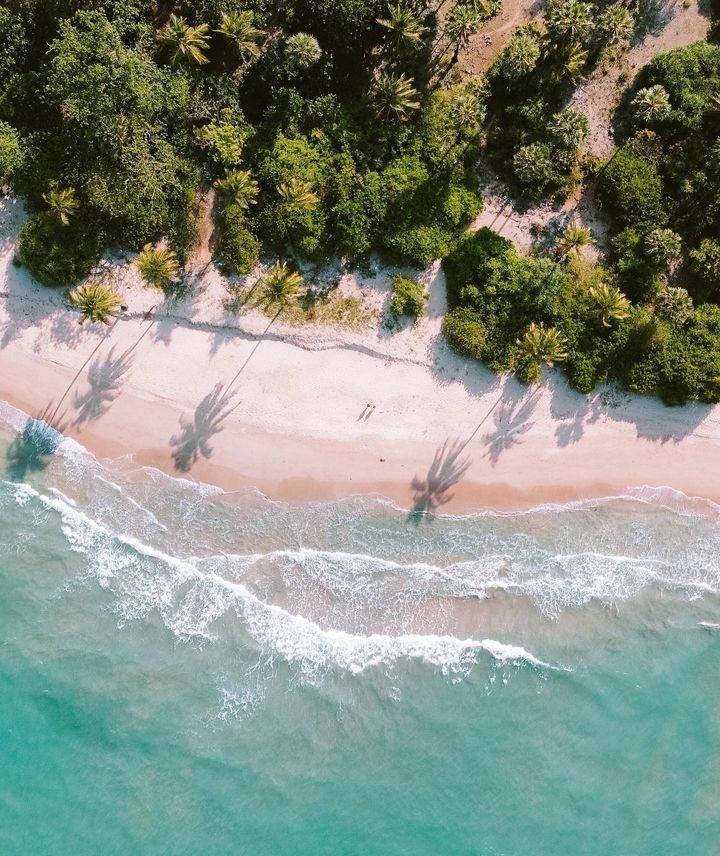
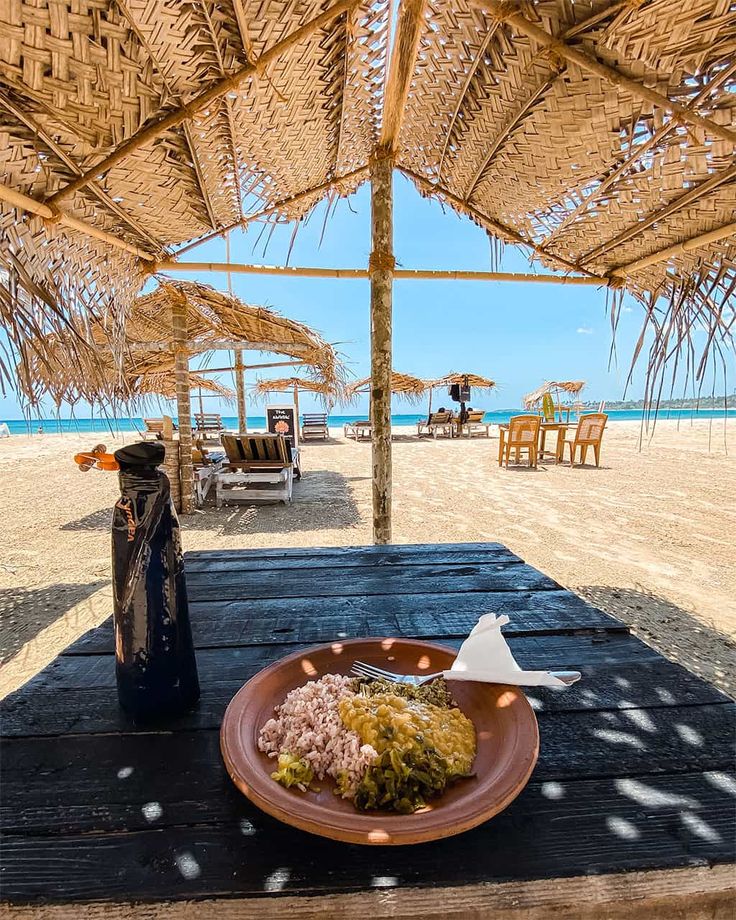
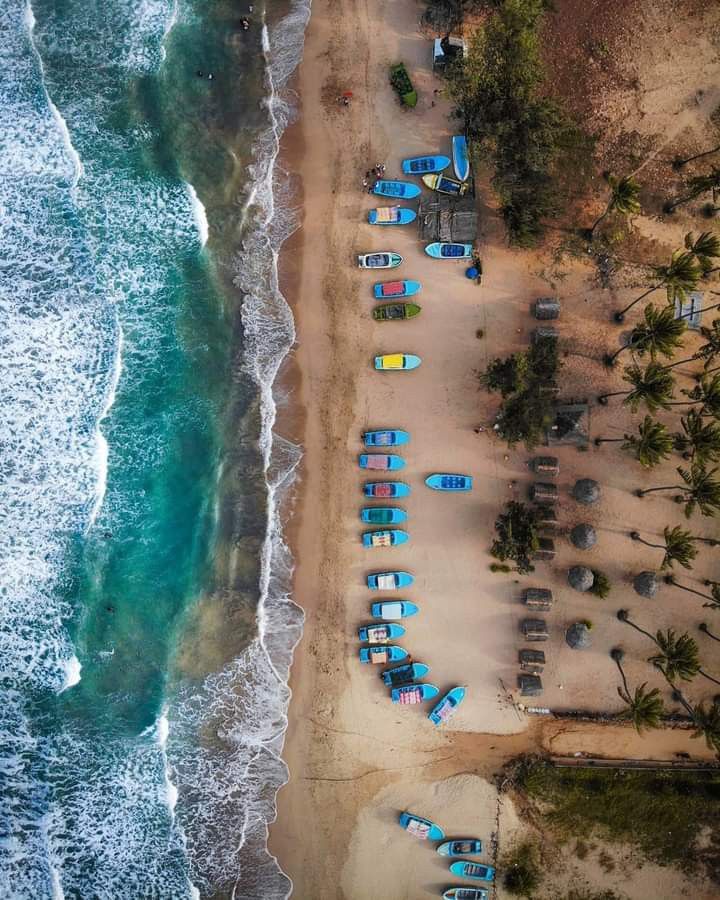
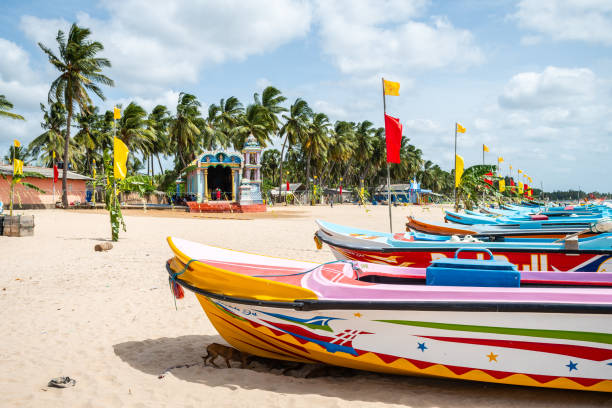
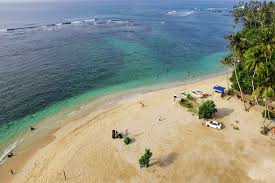
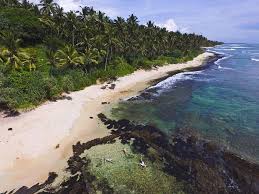
These twin beaches are famous for their soft white sands and crystal-clear, shallow waters. While Uppuveli offers a chic, social atmosphere with beachfront bars and cafes, Nilaveli is the destination of choice for luxury travelers seeking total seclusion and pristine natural beauty. There is no entrance fee to access these beaches. Many high-end resorts along this stretch offer private beachfront dining and guided sea-kayaking excursions, with sunset cocktail cruises typically priced at around $40 to $60 per person.
Kanniya Hot Water Springs
Located about 8km from the city center, these seven natural hot wells are steeped in religious legend, believed to have been created by King Ravana. Each well has a slightly different temperature, and the water is considered to have therapeutic properties. The entrance fee for foreign visitors is approximately LKR 500 to LKR 1,000 (approx. $2 – $3). The site is a fascinating cultural stop where you can witness locals performing traditional bathing rituals; however, it is best visited early in the morning to avoid the midday heat and the curious resident monkeys.
Peak Season (May – September):
This is the dry season for the East Coast and the absolute best time for Trincomalee. The sea is exceptionally calm and clear—perfect for snorkeling at Pigeon Island and diving.
Whale Watching Season (March – August):
Trincomalee is one of the world’s top spots for spotting Blue Whales and Sperm Whales. Boat tours during these months have an extremely high success rate.
Shoulder Season (January – April):
The weather is generally sunny and pleasant, though the ocean may be slightly choppier than in the peak summer months.
Note:
The Northeast Monsoon (October – December) brings heavy rains and rough seas. Many boat-based activities, including trips to Pigeon Island and whale watching, are suspended during this time for safety.
Dreamway Luxury Travels (Pvt) Ltd
We specialize in crafting unforgettable travel experiences
Feel free to contact and reach us !!
Copyright © 2026 Lunar Creations. All rights reserved.
WhatsApp use