The Sacred Summit & Shrine
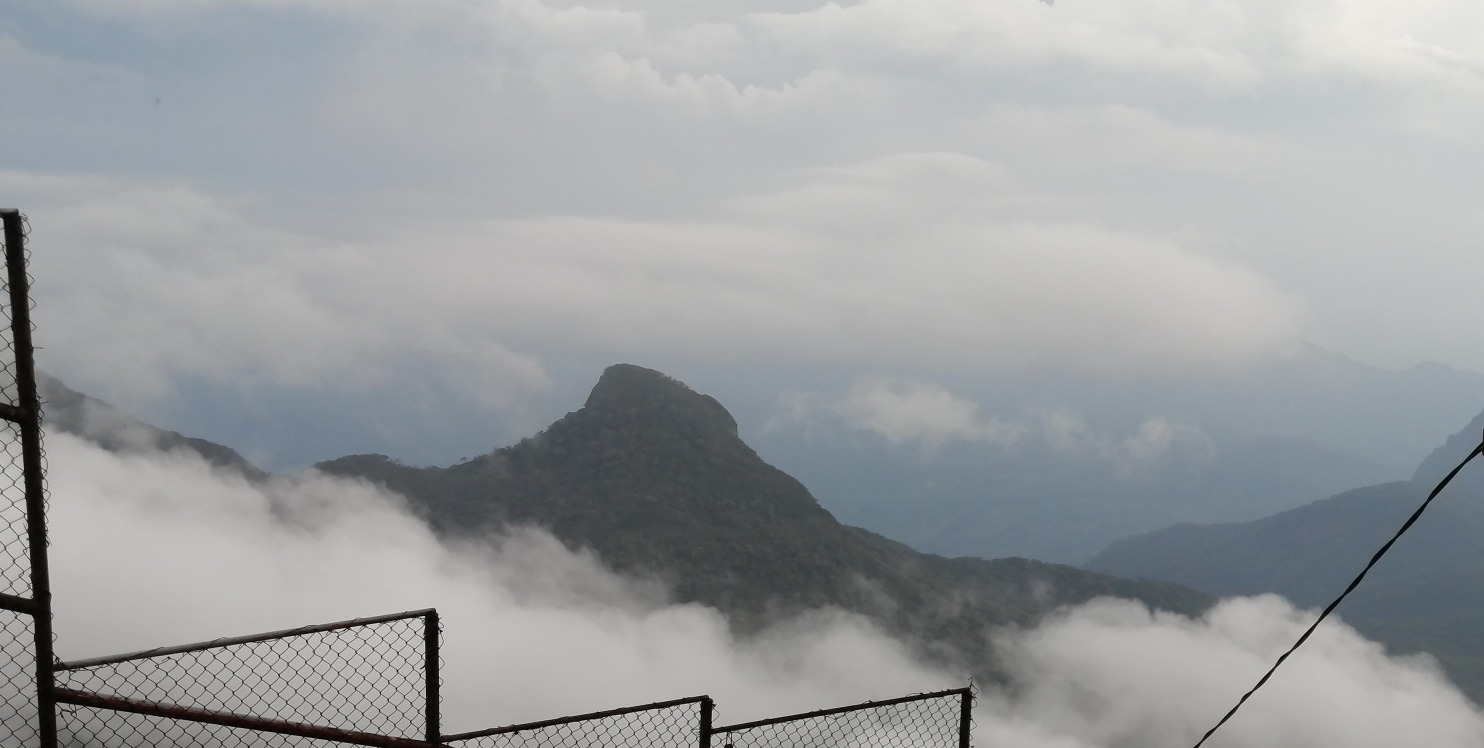
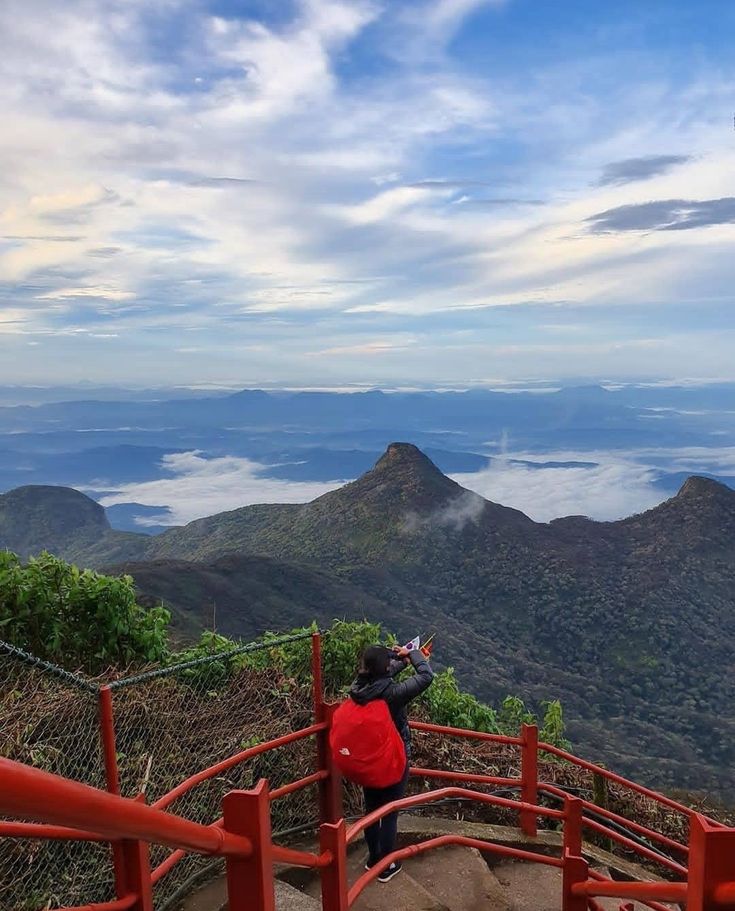
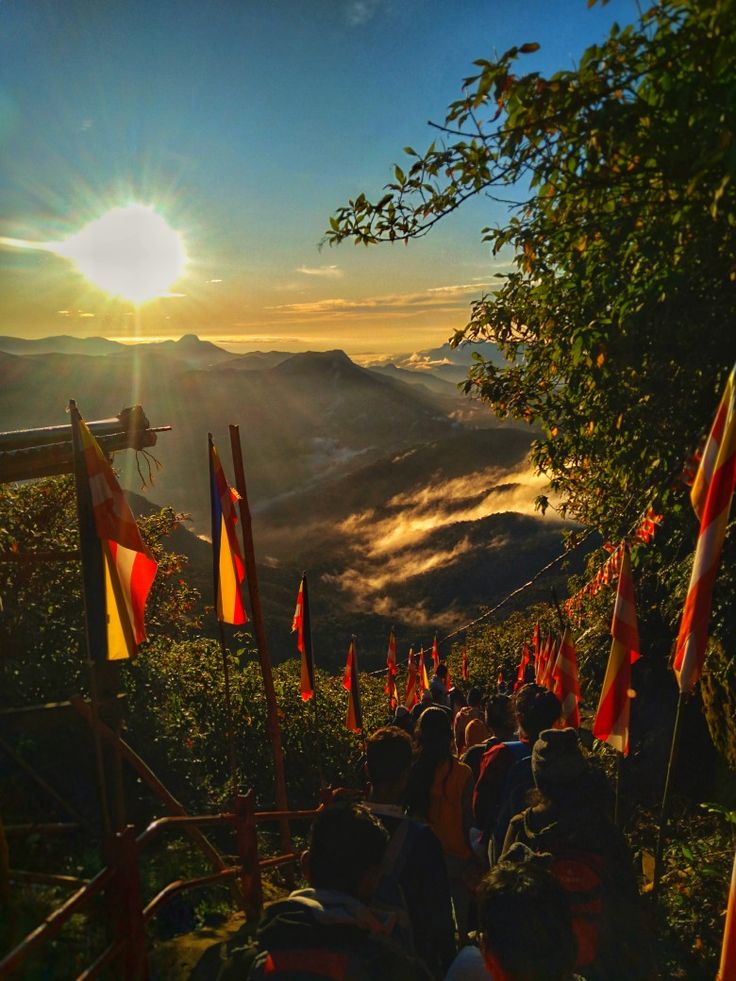
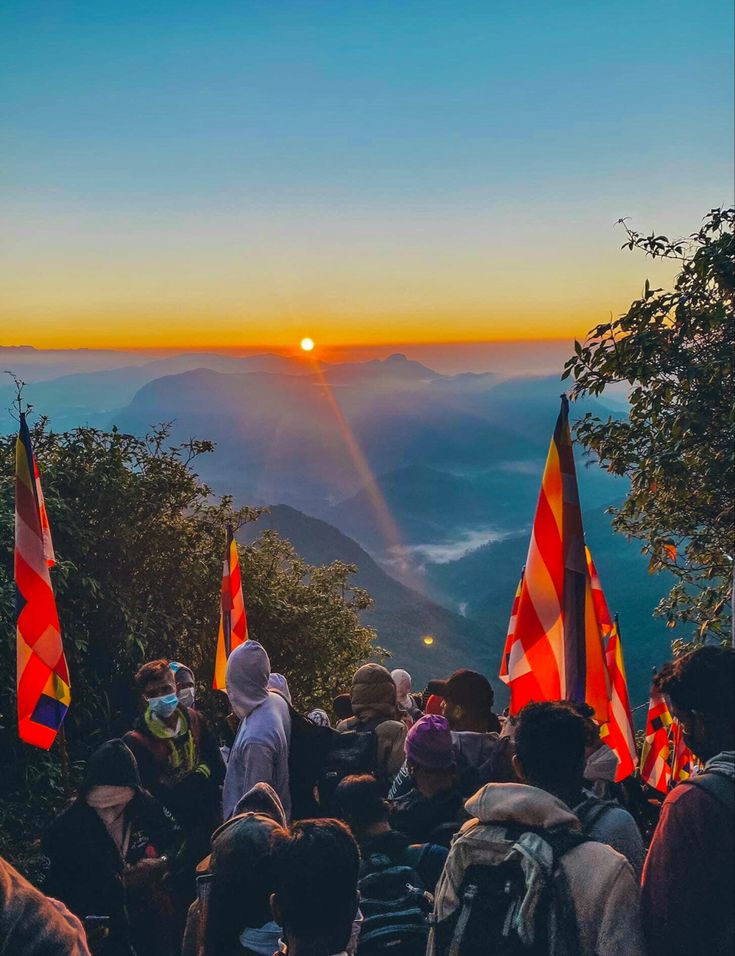
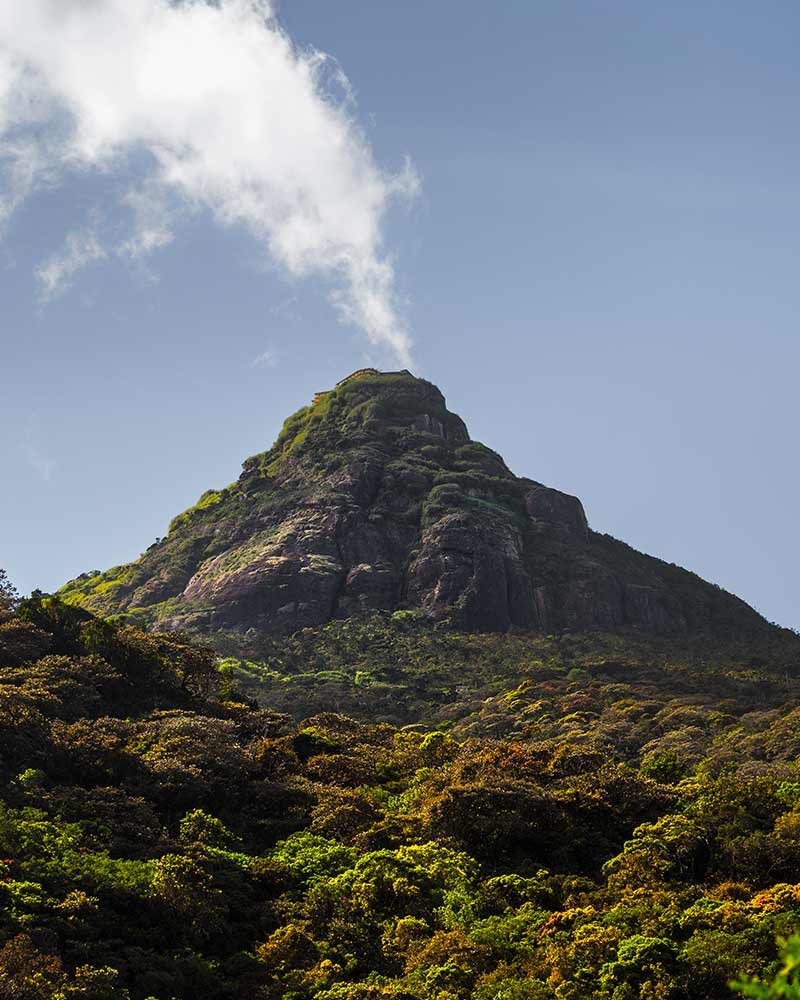
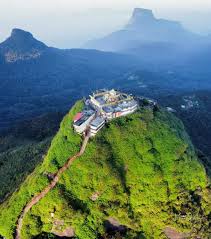
The goal of the climb is the small temple at the very peak, which houses the Sri Pada—a 1.8-meter rock formation believed to be the sacred footprint. Reaching the summit after a 3 to 5-hour climb offers a moment of deep spiritual triumph. While entrance to the peak is entirely free, visitors often make a voluntary donation (approx. LKR 500 – 1,000) to the temple fund. It is customary to ring the large bell at the top—one chime for every time you have successfully completed the pilgrimage. The atmosphere at dawn is hushed and reverent as devotees wait for the first rays of light to hit the shrine.
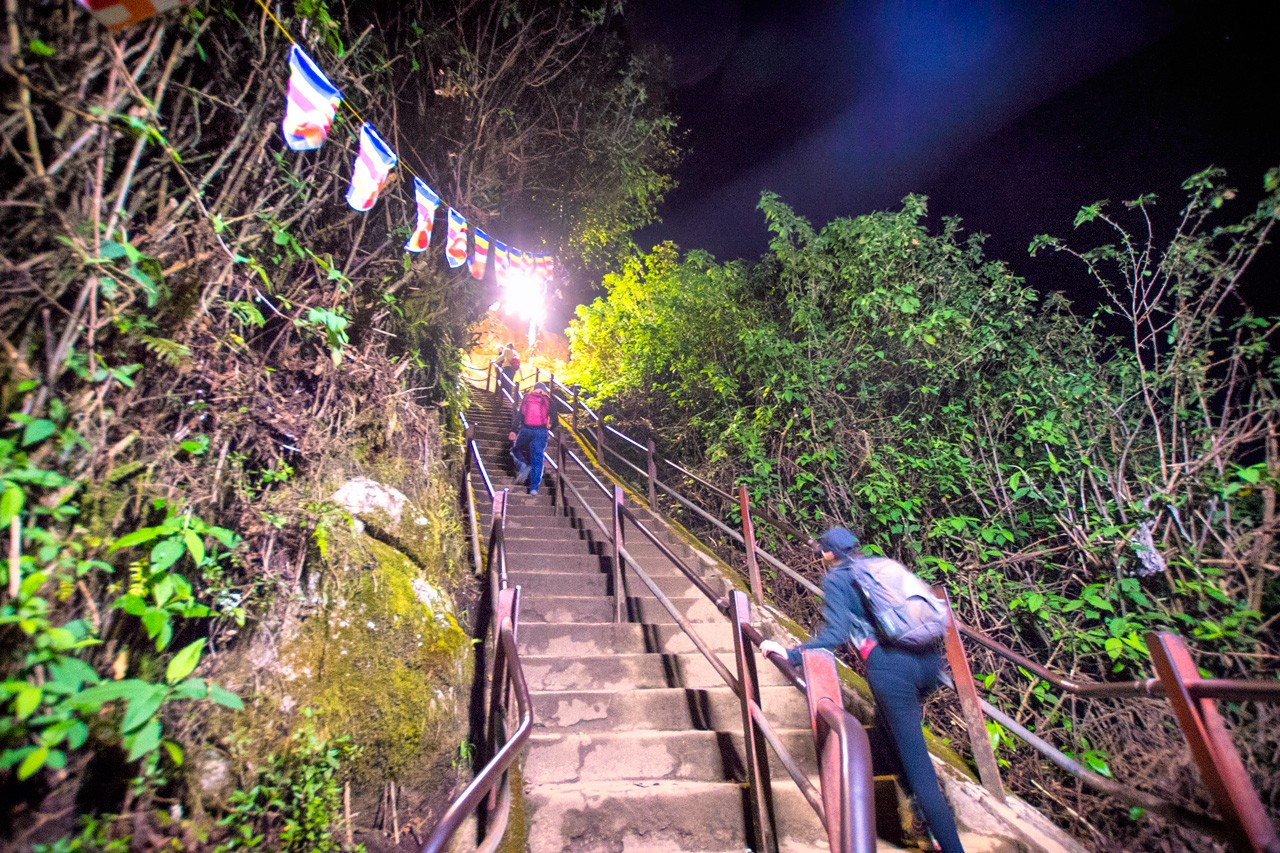
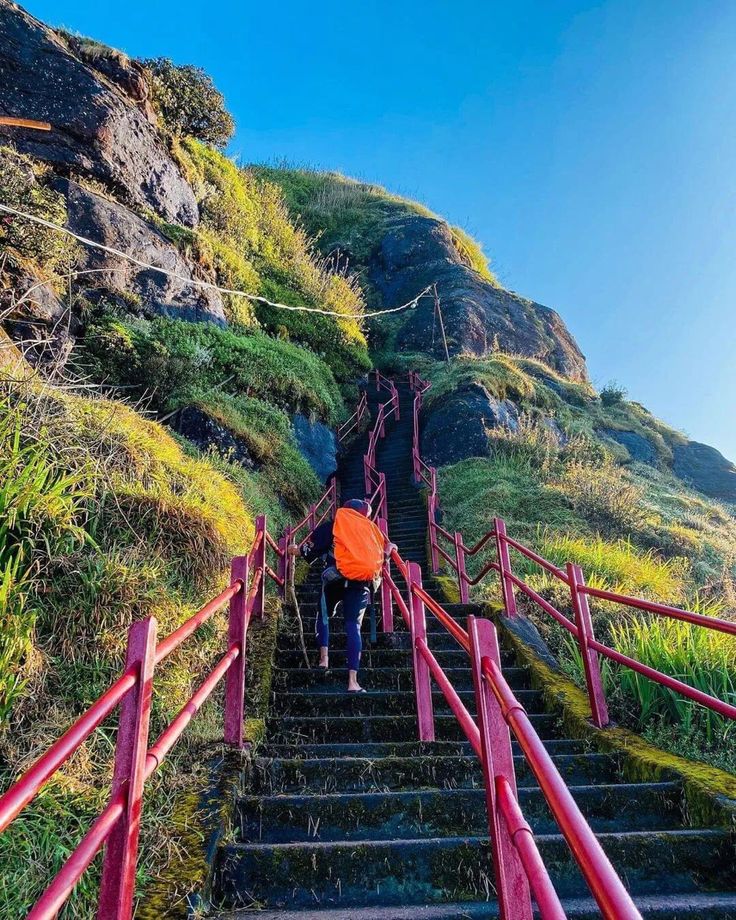
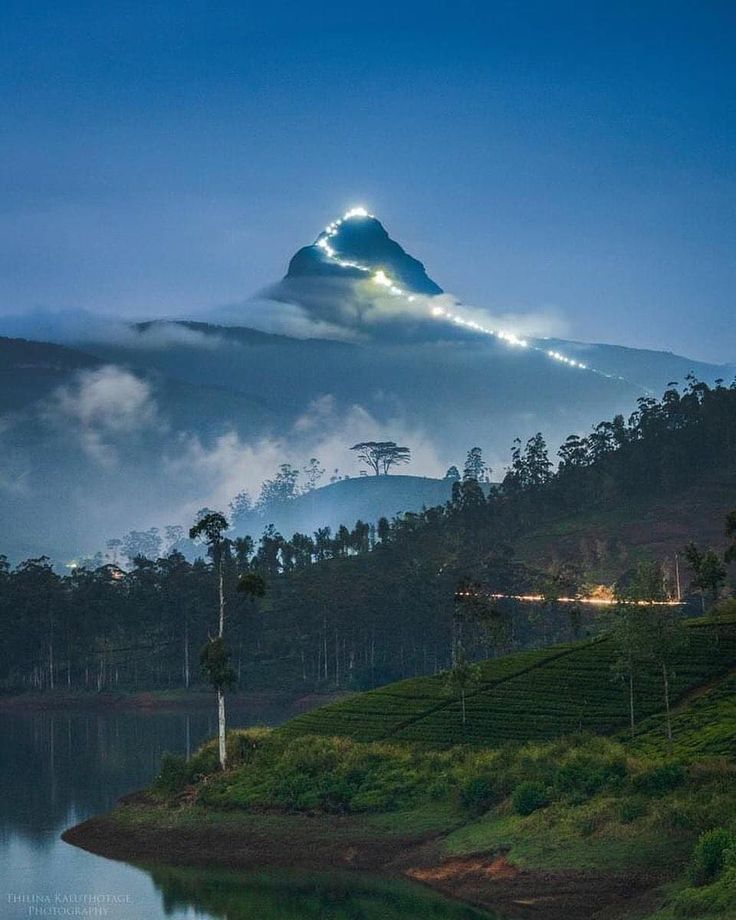
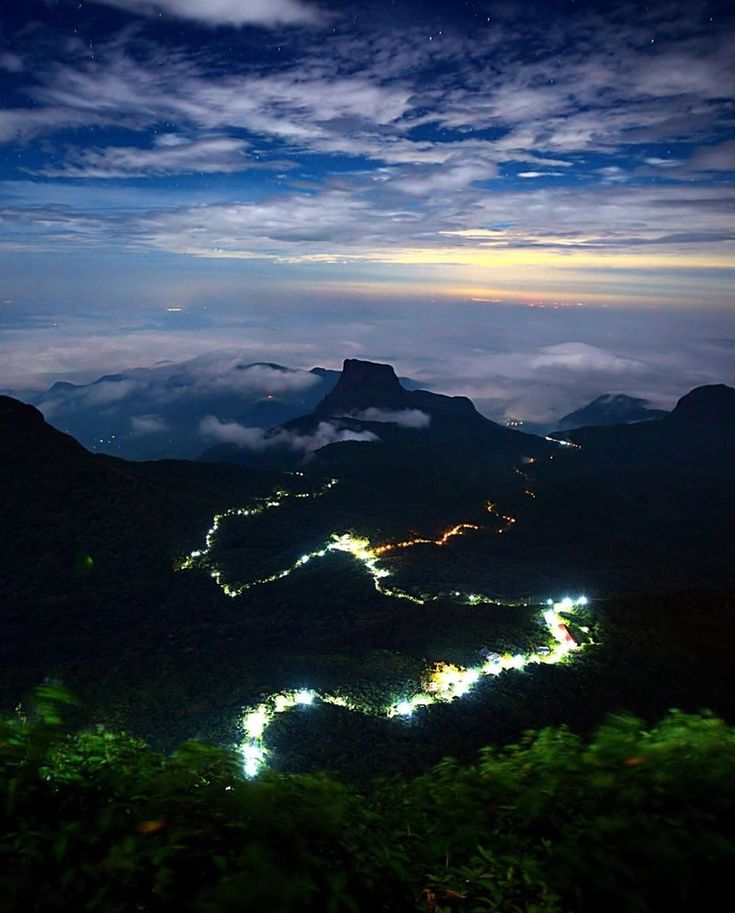
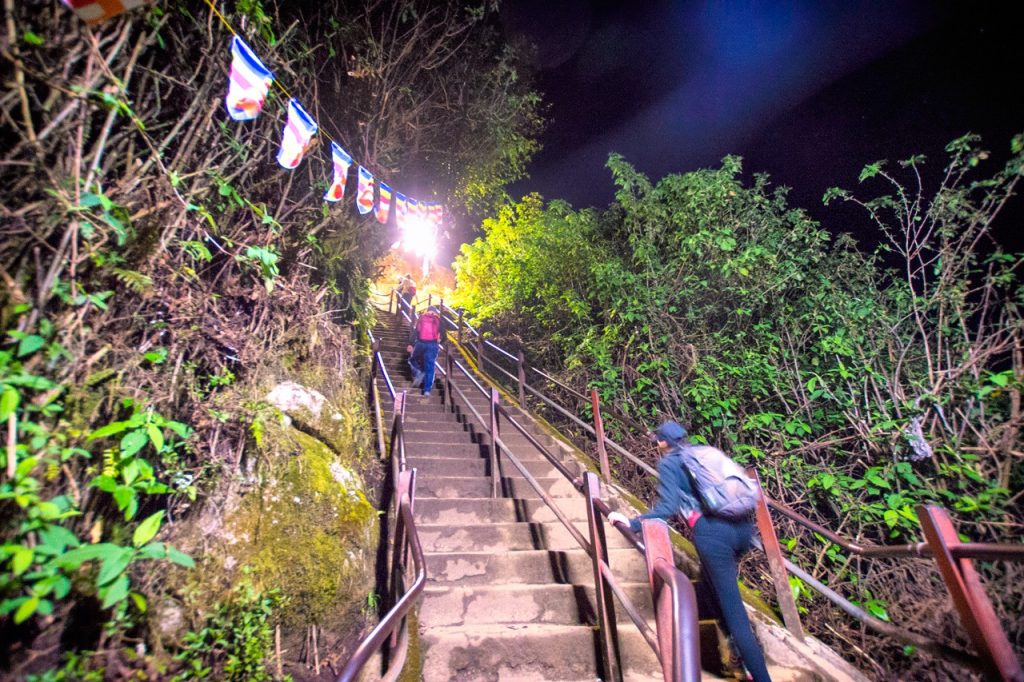
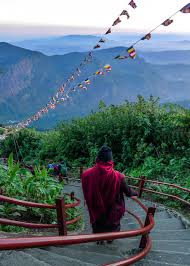
The Hatton–Nallathanniya Trail The most popular and well-lit route, this trail consists of roughly 5,500 stone steps. While the climb is strenuous, the path is lined with small tea boutiques and rest stops that offer a fascinating look at pilgrimage culture. There is no ticket fee to use the trail. For your clients, a private guided ascent (starting around 2:00 AM) is recommended to manage the pace and provide historical context. During the pilgrimage season, the entire path is illuminated with string lights, creating the appearance of a “lighted staircase to heaven” when viewed from the base.
Peak Wilderness Sanctuary
Adam’s Peak is the center of a vast, high-altitude tropical rainforest known as the Peak Wilderness Sanctuary. This UNESCO World Heritage area is a biodiversity hotspot, home to rare birds, amphibians, and even a small, elusive population of mountain elephants. While the climb focuses on the stairs, the surrounding jungle offers a pristine natural backdrop. Access to the sanctuary via the main pilgrimage trails is free, but dedicated nature trekking deeper into the forest requires a permit from the Department of Wildlife Conservation (approx. $10 – $15) and must be accompanied by a professional naturalist.
Makara Torana & Japanese Peace Pagoda
Near the start of the Nallathanniya trail stands a beautiful “Makara Torana” (Dragon Arch) and a serene Japanese Peace Pagoda. The pagoda, built by Japanese monks, offers a tranquil spot for reflection before or after the grueling climb. Entrance to these sites is free. The pagoda’s brilliant white stupa stands in stark contrast to the deep green of the surrounding hills and provides one of the best “ground-level” views of the towering peak before you begin your journey upward.
Laxapana and Aberdeen Falls Located in the general vicinity of the Hatton approach, these two waterfalls are among the most beautiful in the hill country. Laxapana Falls, at 126 meters, is steeped in folklore and is a spectacular sight after the rains. Access to both waterfalls is free, though they require a short drive and a moderate walk through tea estates to reach the best viewpoints. They provide a perfect, relaxing post-climb excursion for clients staying in the luxury bungalows of the nearby Maskeliya or Hatton areas.
Pilgrimage Season (December – May):
This is the official “season,” beginning on the Unduvap Poya (December) and ending on the Vesak Poya (May). During this time, the trail is fully lit, all tea stalls are open, and the weather is at its driest, offering the best chance of a clear sunrise.
Peak Busy Period (January – April):
The trails are most crowded during full moon (Poya) days and the Sinhalese New Year in April. For a more “luxury” feel with fewer crowds, avoid these specific dates and weekends.
Off-Season (June – November):
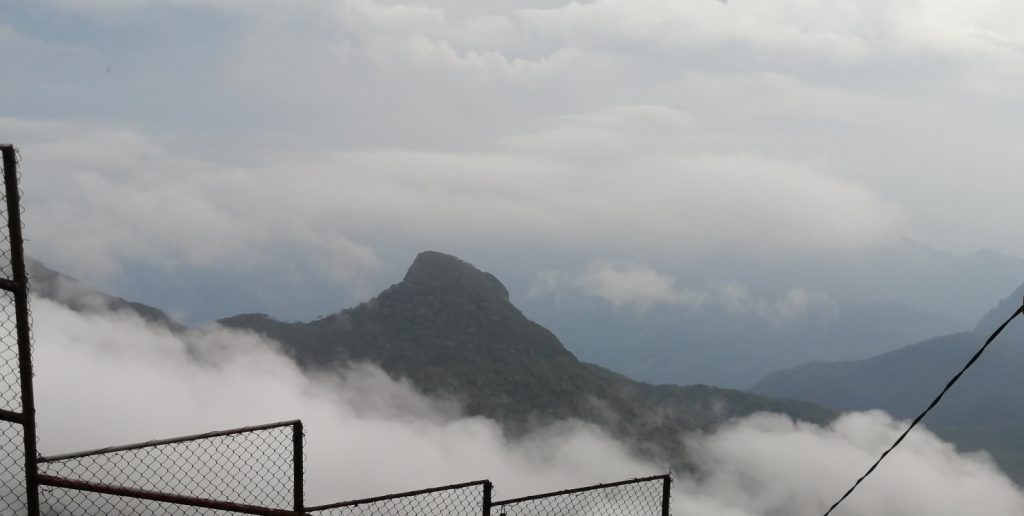
It is still possible to climb, but the trail is unlit and many stalls are closed. The weather is often rainy and misty, making the steps slippery. A professional guide and powerful torches are essential during these months.
Dreamway Luxury Travels (Pvt) Ltd
We specialize in crafting unforgettable travel experiences
Feel free to contact and reach us !!
Copyright © 2026 Lunar Creations. All rights reserved.
WhatsApp use