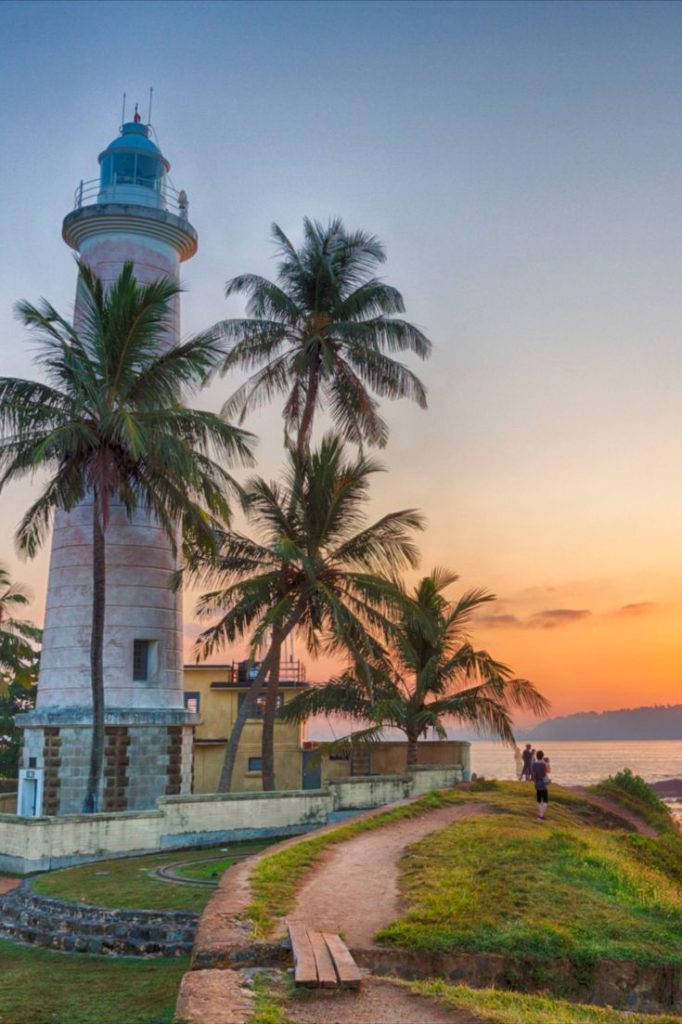
Galle Fort & The Ramparts
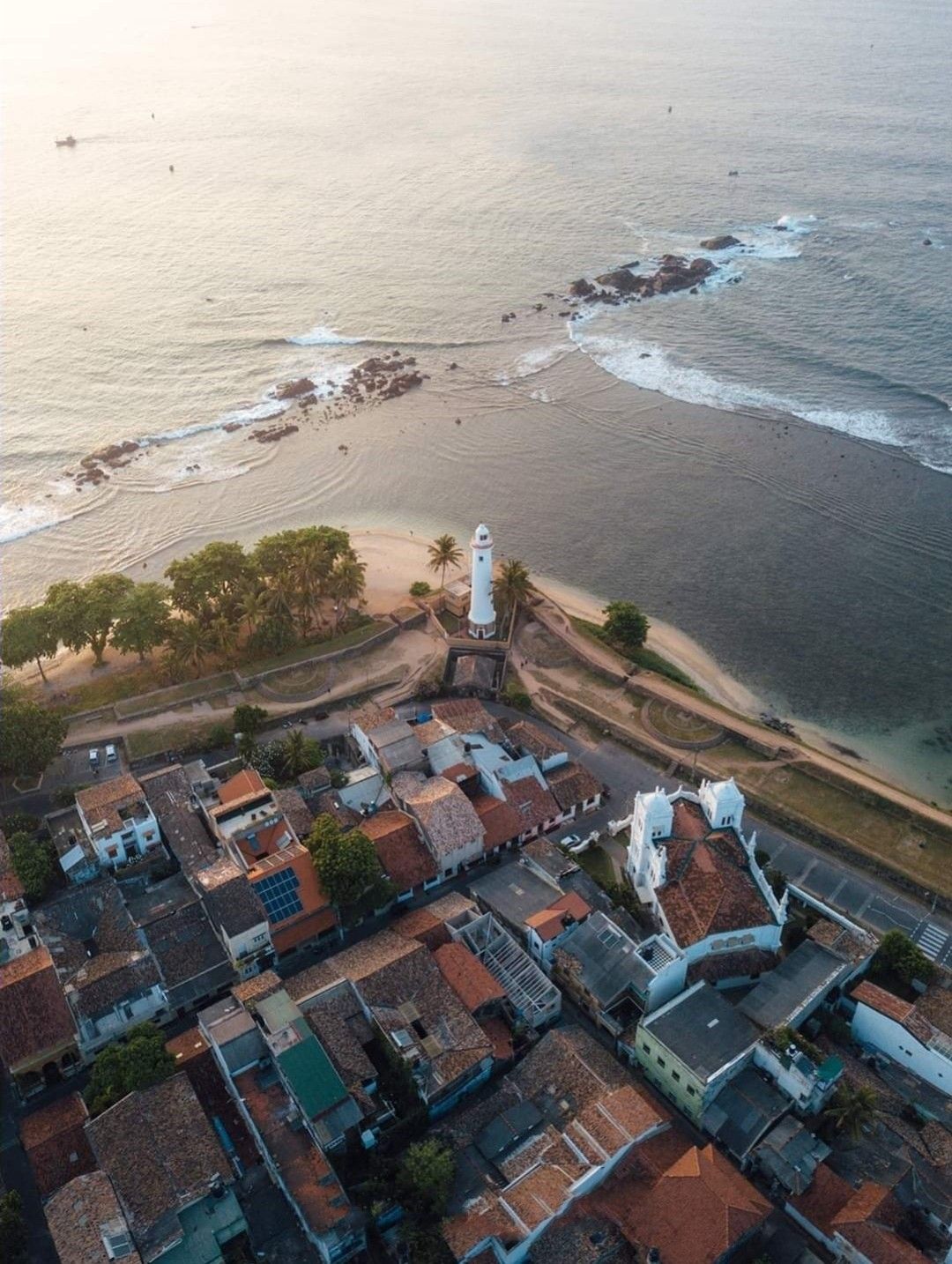
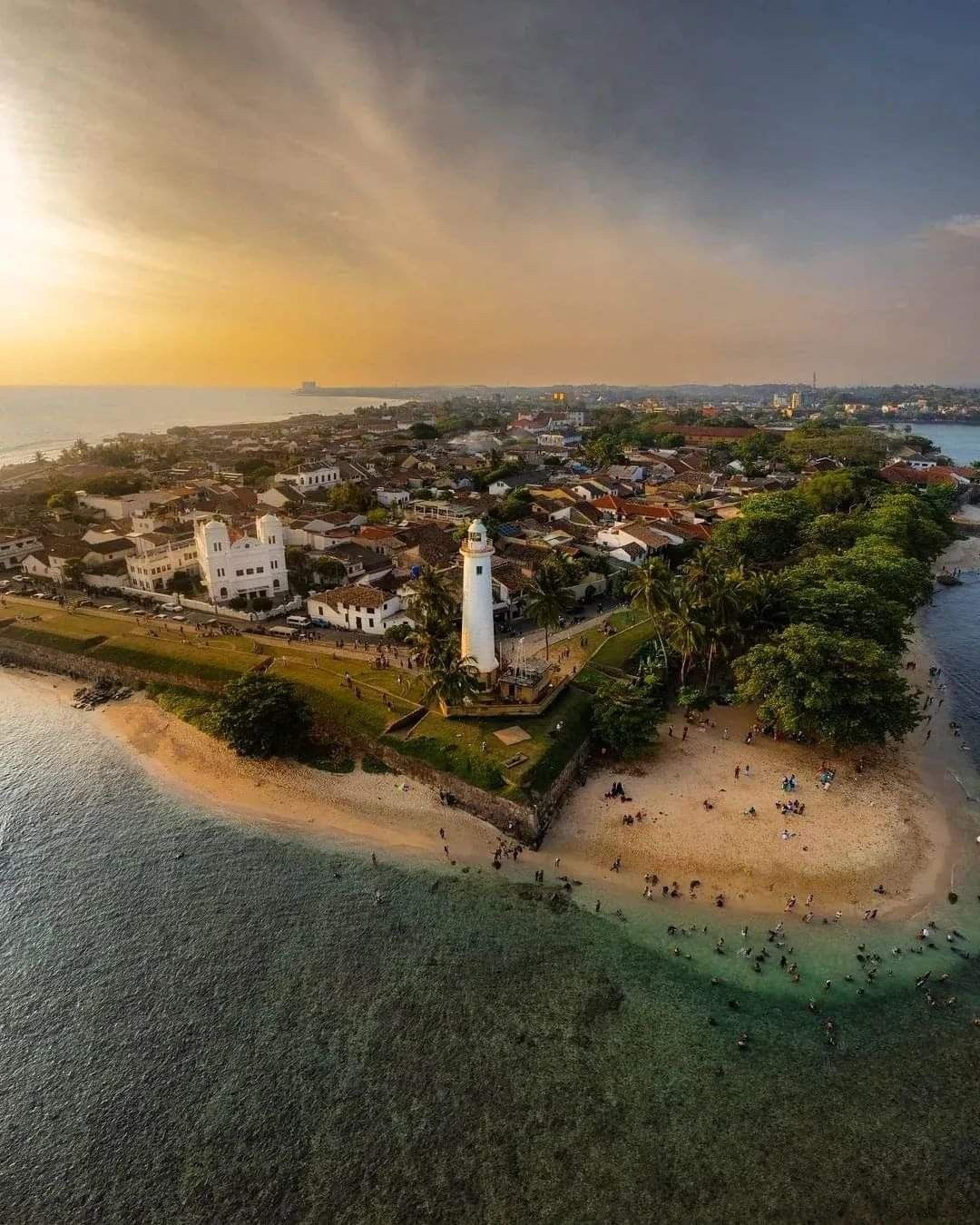
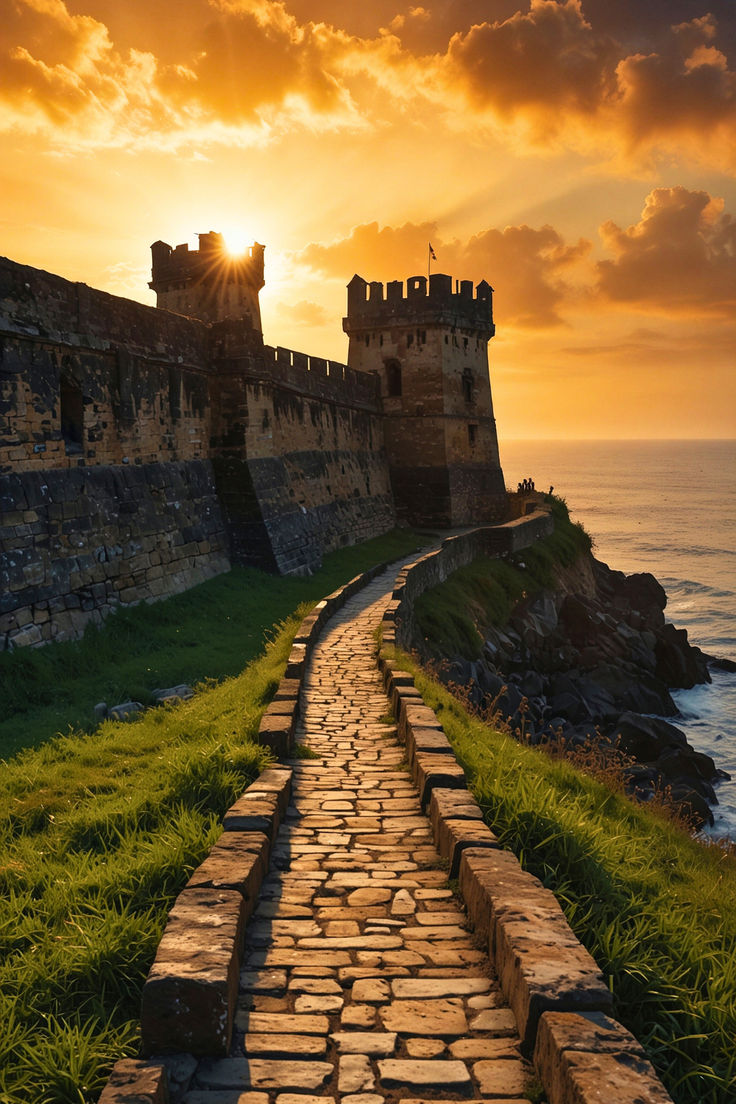
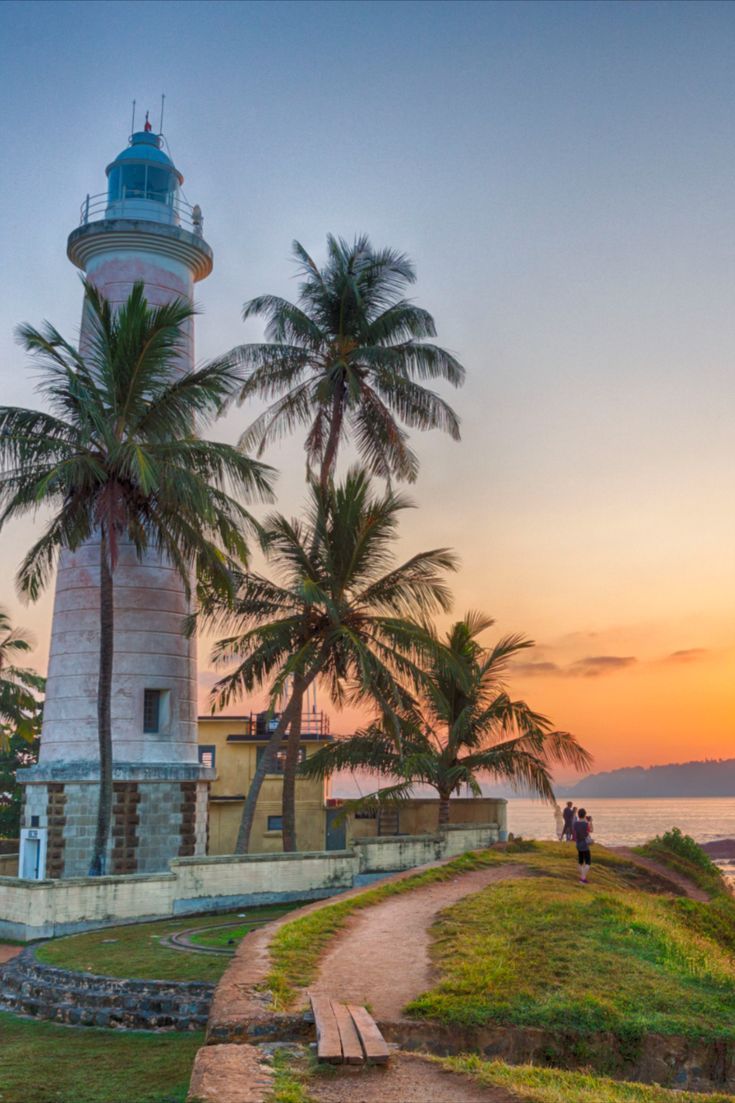
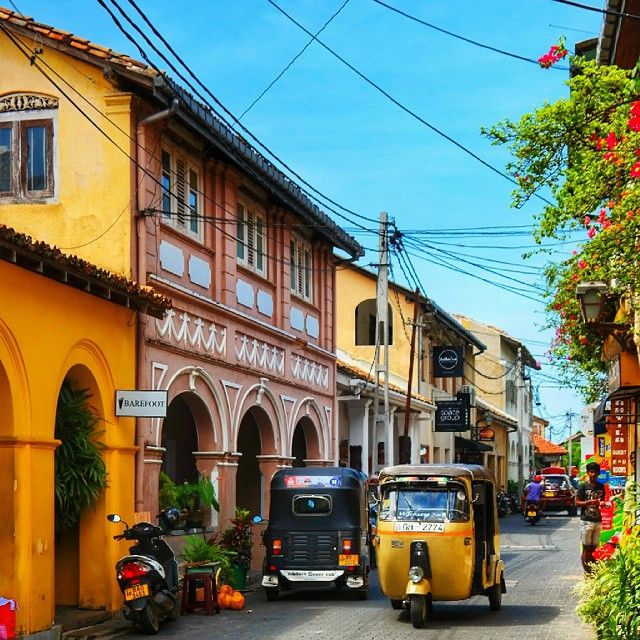
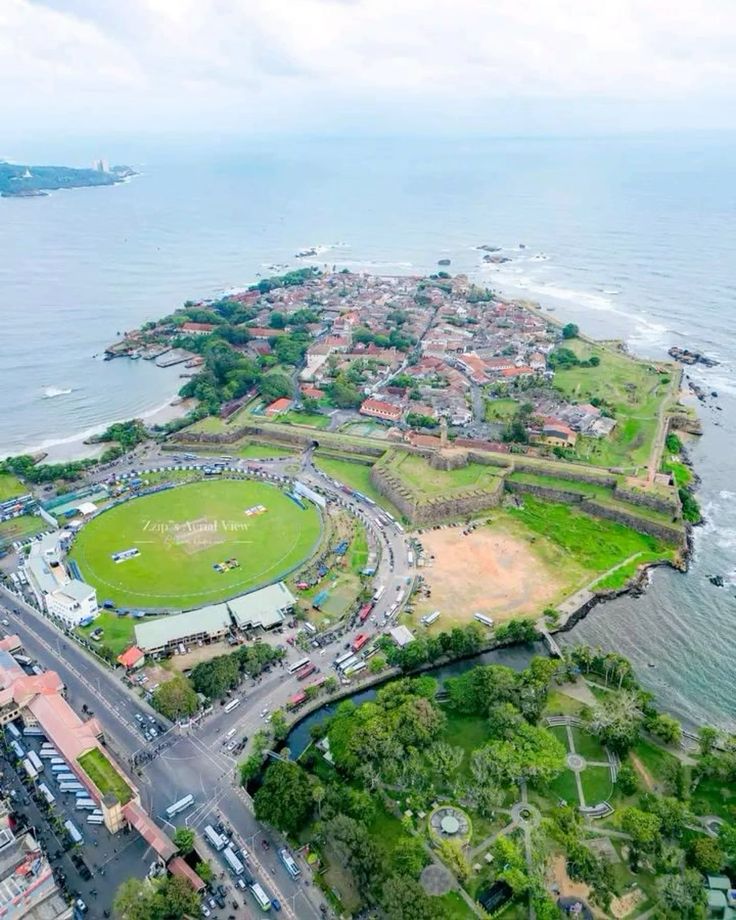
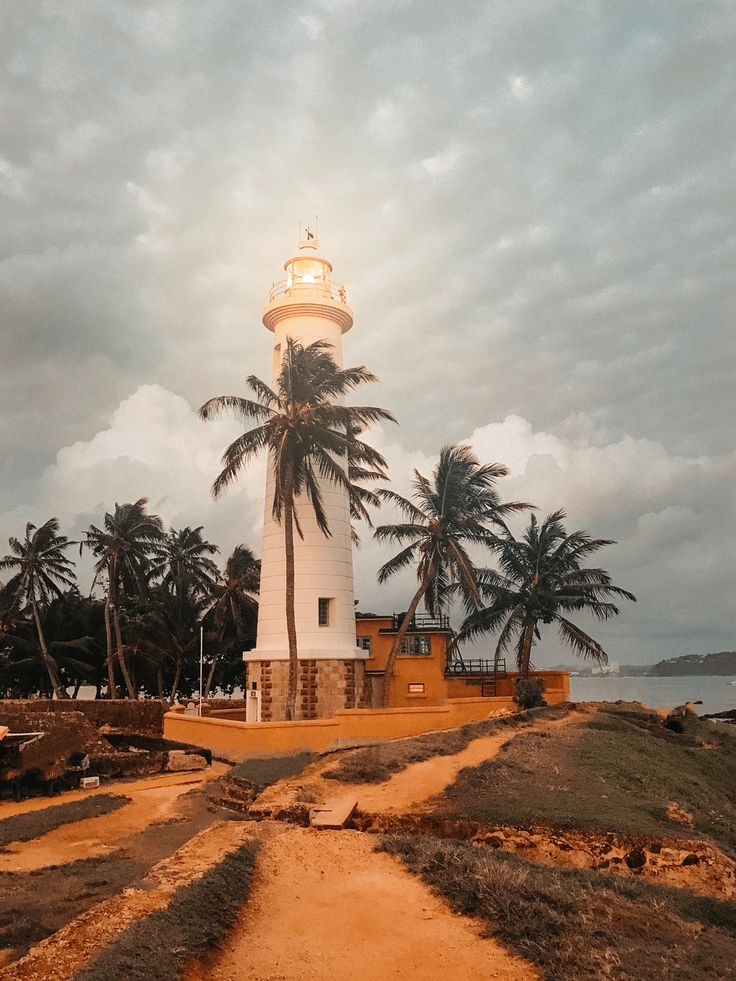
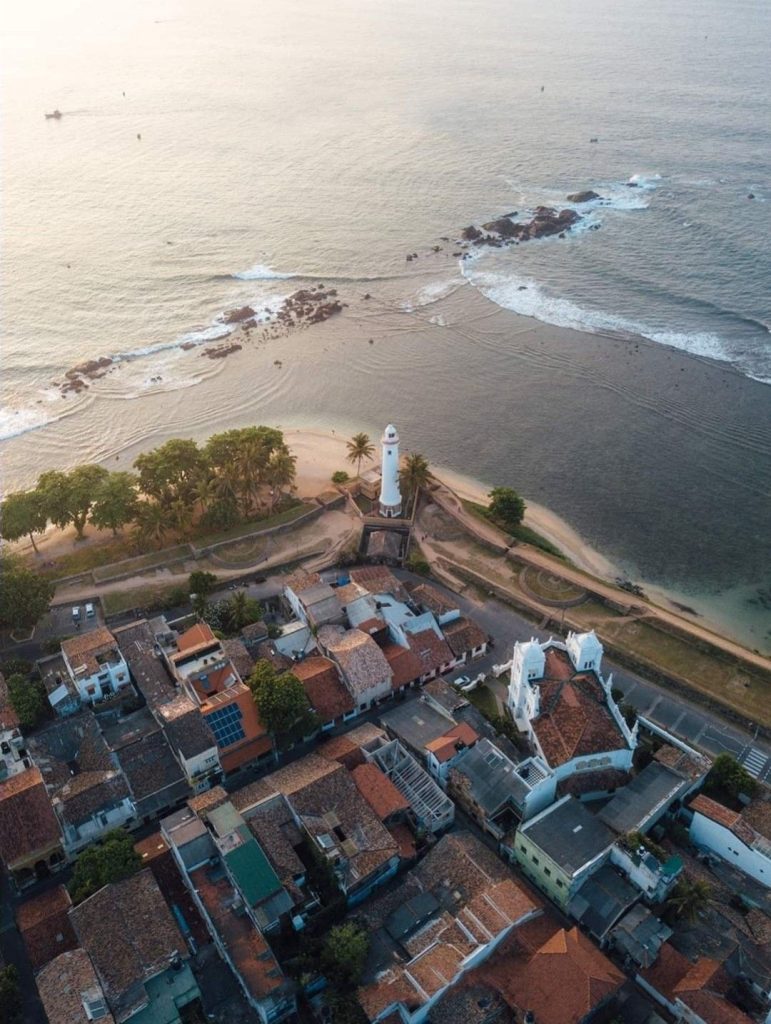
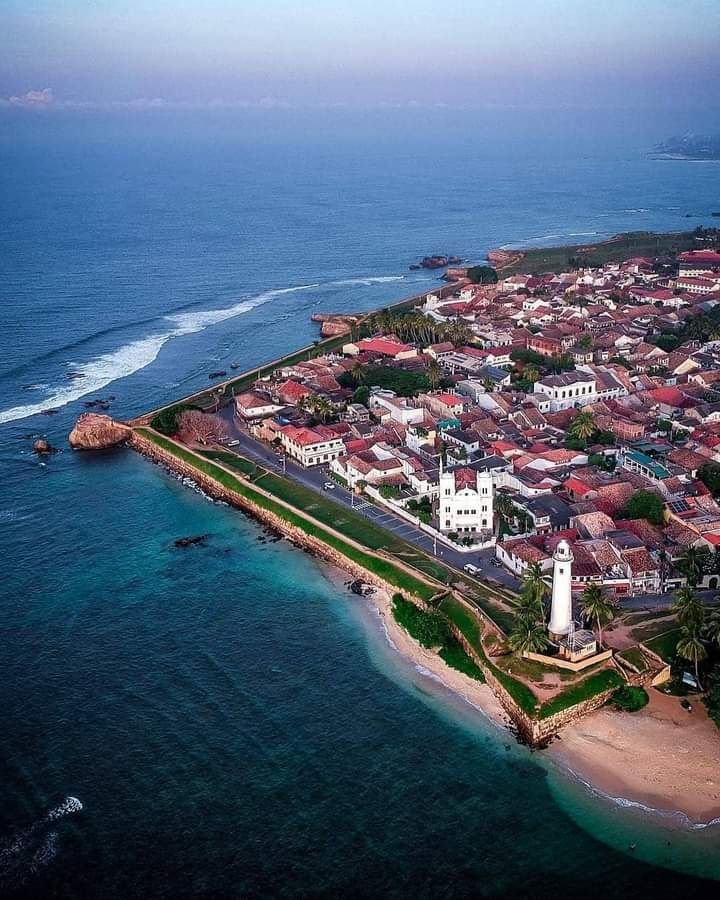
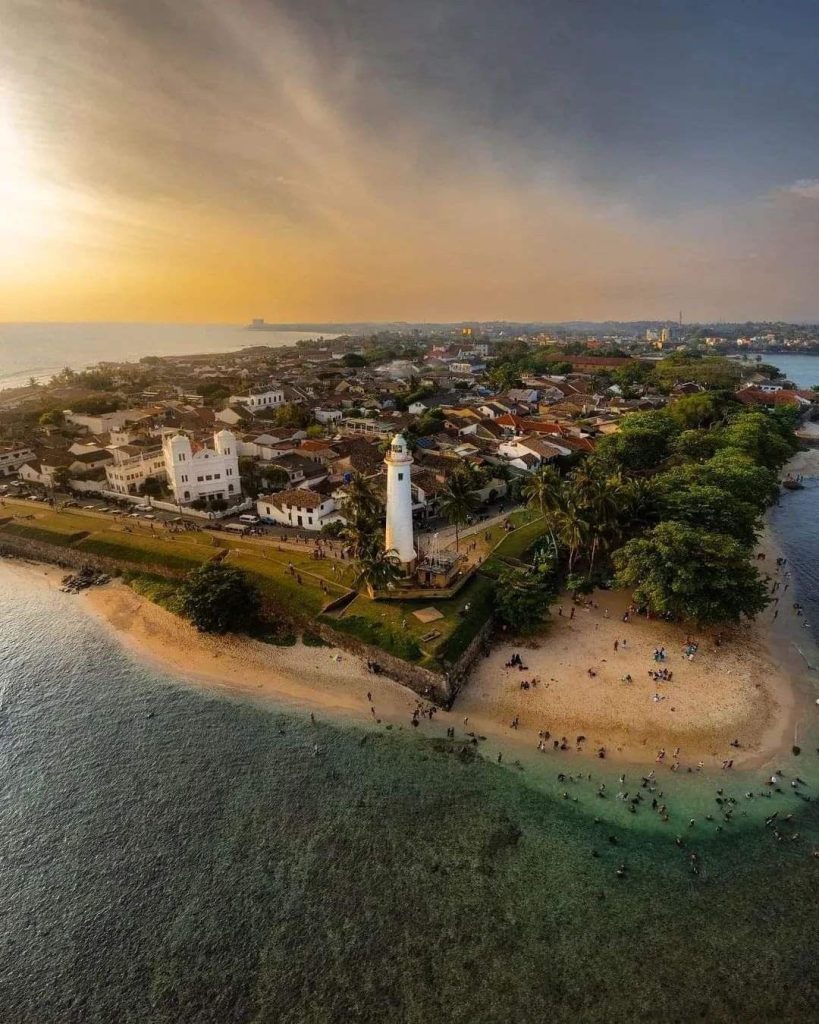
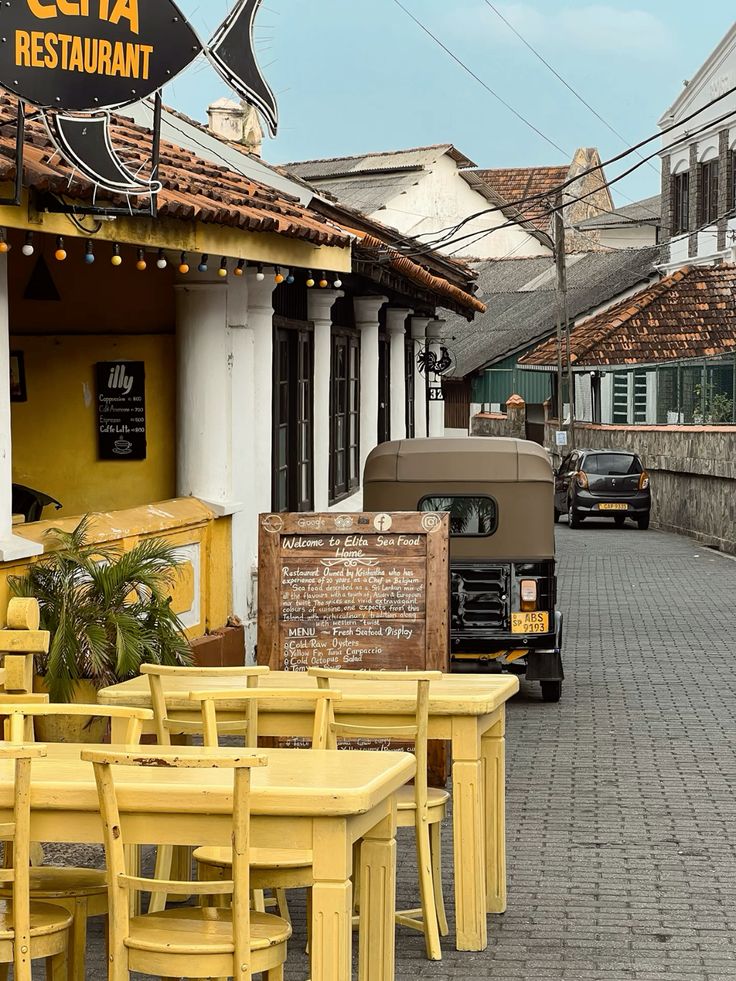
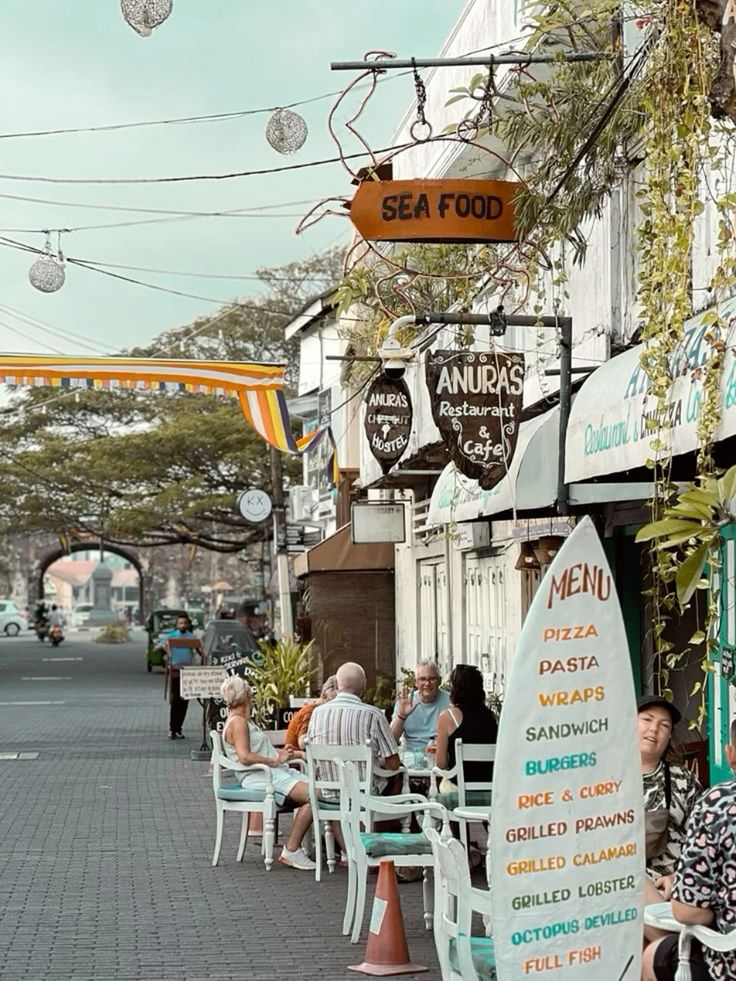
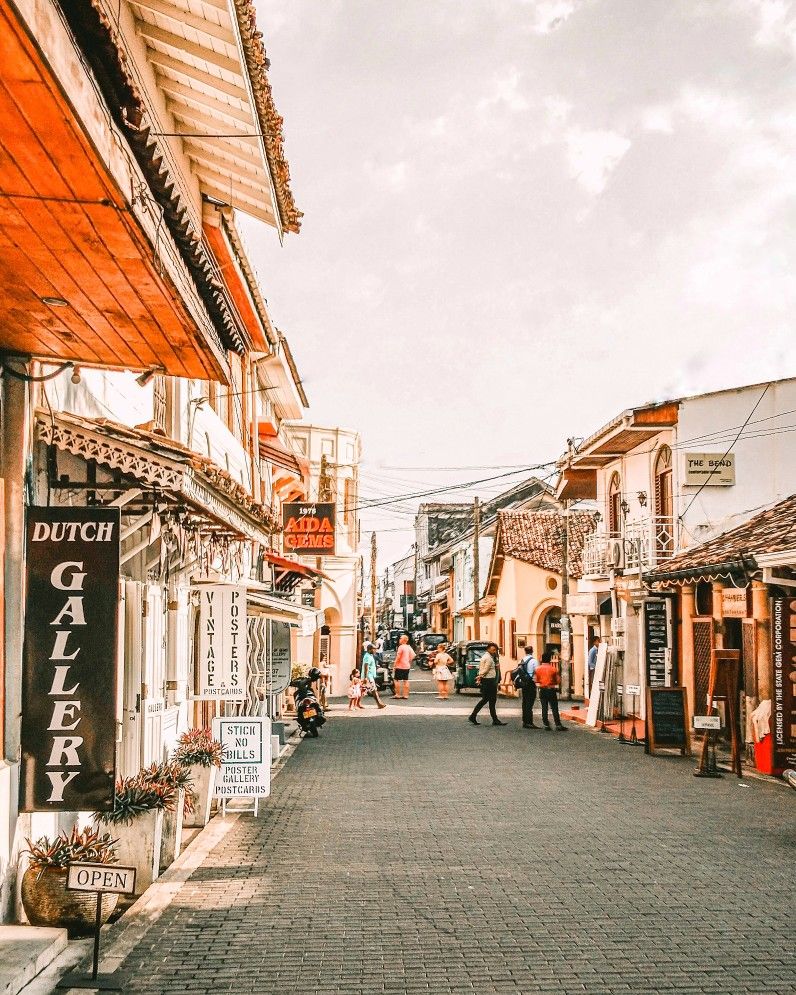
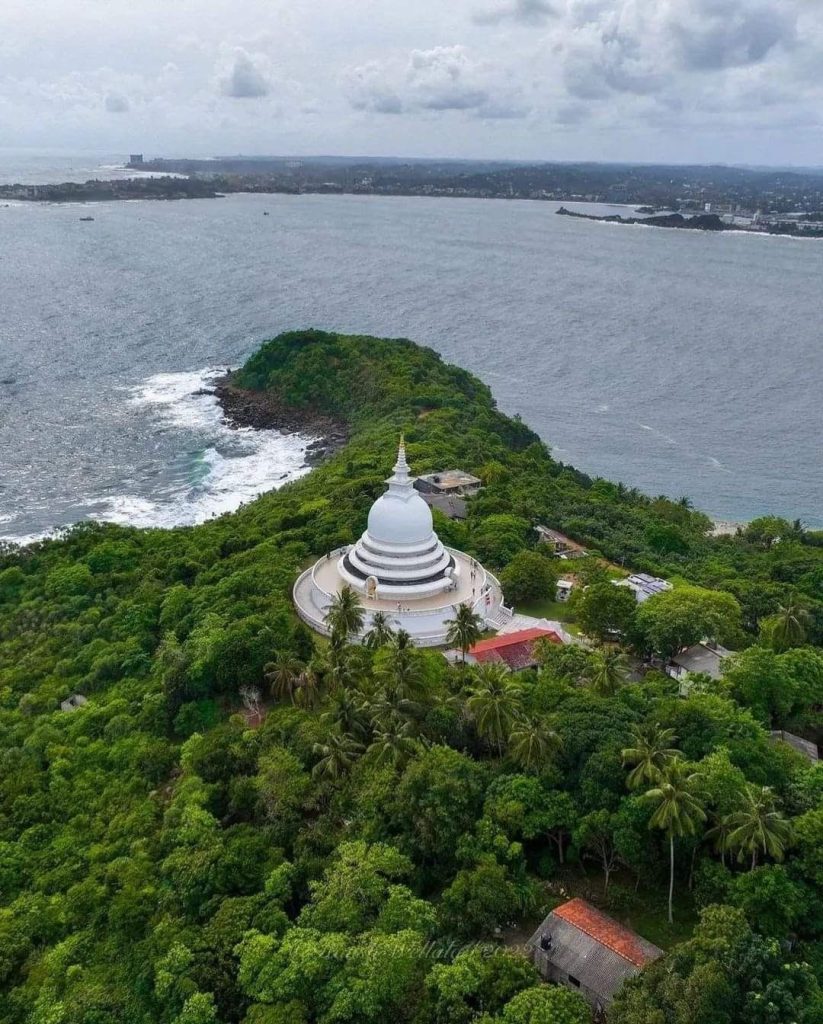
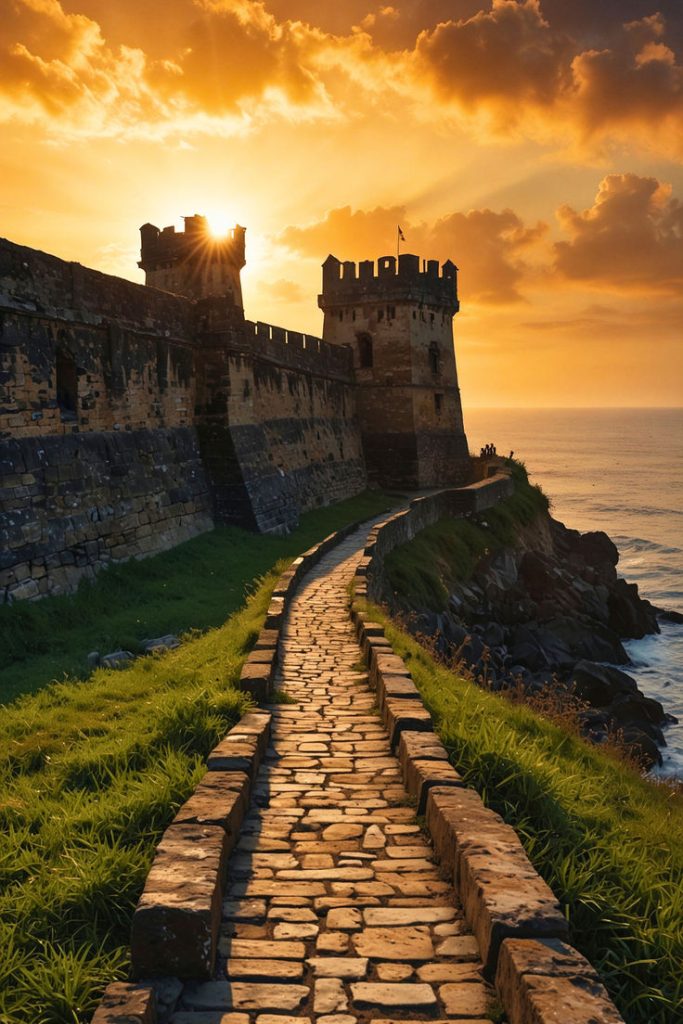
The Galle Fort is an expansive living heritage site that remains the crown jewel of the southern coast. Entering the fort is completely free of charge, allowing visitors to wander through its narrow cobblestone streets and explore the historic Dutch architecture at their own pace. The most popular activity is a walk along the massive Ramparts during sunset, providing a panoramic view of the Indian Ocean and the iconic Galle Lighthouse. While the exterior of the lighthouse is a must-see for photography, please note that climbing to the top is generally restricted for the public.
National Maritime Archaeology Museum
Housed within a beautifully restored 1671 Dutch East India Company warehouse, this museum offers a deep dive into Sri Lanka’s naval history and underwater secrets. It features an impressive collection of artifacts recovered from shipwrecks around the Galle harbor, including ancient beer bottles, maps, and maritime tools. The entrance fee for foreign adults is LKR 1,900 (approx. $6), while children are charged LKR 950 (approx. $3). It is a perfect stop for those interested in the tactical and commercial history of the Indian Ocean.
National Museum of Galle
Located in the oldest remaining Dutch building within the fort (dating back to 1656), the National Museum offers a curated look at the colonial era and the local culture of the Southern Province. The exhibits include traditional masks, Beeralu lace-making equipment, and various Dutch-era furniture and weapons. The ticket price for foreign visitors is LKR 500 per adult and LKR 200 for children/students. The museum provides an intimate look at how the fusion of European and Sri Lankan cultures shaped the identity of the city.
Historical Mansion Museum
This is one of the largest private museums in the world, set inside a restored Dutch house. It is a “living museum” where you can witness artisans practicing traditional crafts like gem cutting and lace embroidery. The collection is eclectic, ranging from antique cameras to VOC-stamped chinaware. Entrance is free, though the museum operates on a “voluntary purchase” model where visitors are encouraged to browse the onsite jewelry and antique shop. It offers a more personal, immersive experience compared to the state-run museums.
Old Dutch Hospital
Once a functional medical facility during the 17th century, this landmark has been transformed into the fort’s most upscale shopping and dining precinct. There is no entrance fee to explore the building. Its colonnaded verandas and open-air courtyards now host high-end restaurants and boutique stores, making it the ideal spot for a luxury traveler to enjoy a meal while overlooking the harbor.
Peak Season (December – April):
This is the dry season for the South Coast. You’ll enjoy bright blue skies and calm seas, making it perfect for photography and outdoor exploration.
Secondary Window (July – September):
Often features pleasant weather with occasional light showers, providing a quieter experience with fewer crowds.
Note:
The monsoon season typically runs from May to June and October to November, where heavy rains are more frequent.
Dreamway Luxury Travels (Pvt) Ltd
We specialize in crafting unforgettable travel experiences
Feel free to contact and reach us !!
Copyright © 2026 Lunar Creations. All rights reserved.
WhatsApp use